From HTML to AI: Our Journey Building Websites — 1999 to Now
From hand-built HTML websites to WordPress and artificial intelligence — our continuing journey through property websites, original photography, sketches, bespoke software and art.
6
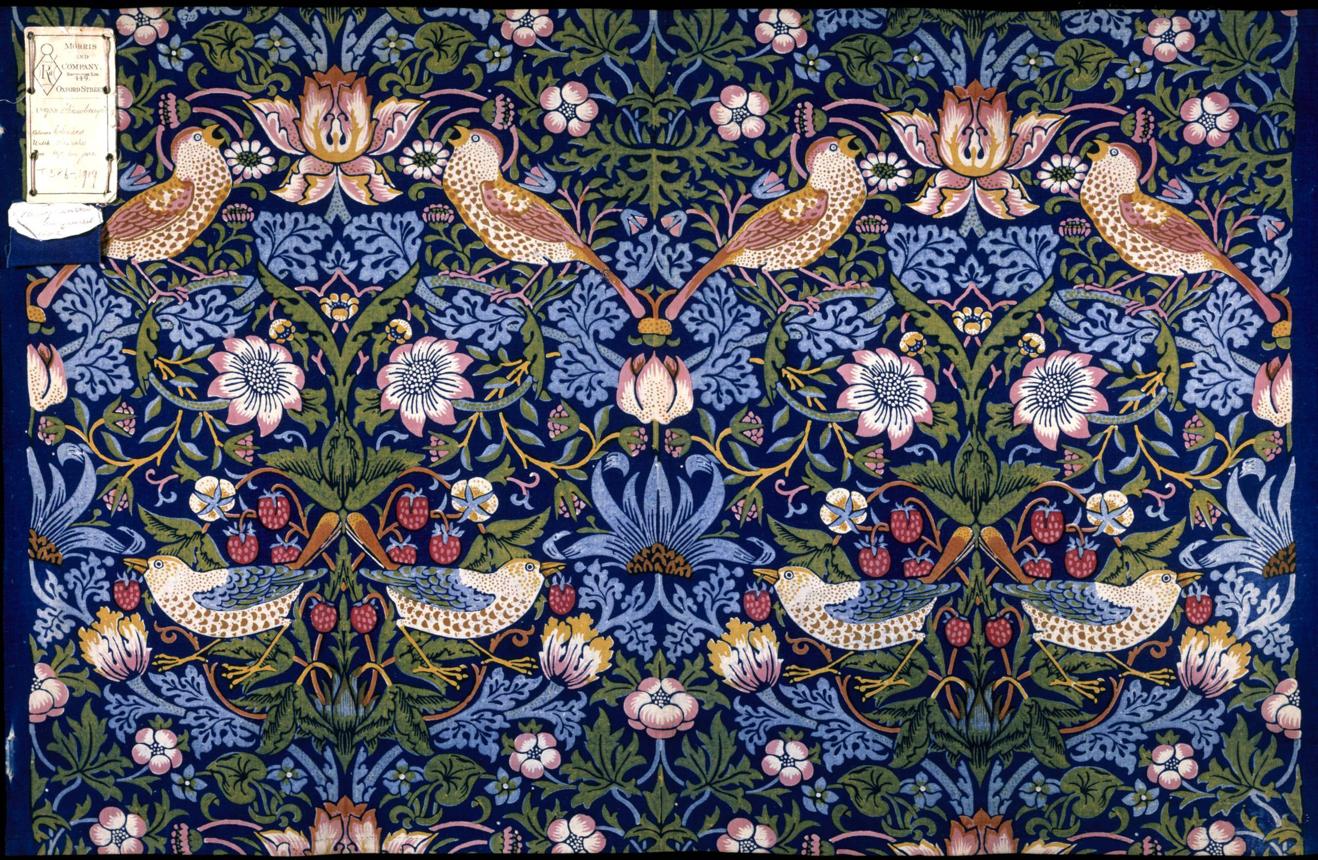
“Have nothing in your houses that you do not know to be useful, or believe to be beautiful.”
— William Morris, 1880
William Morris’s famous words seem particularly appropriate when we look back at our journey developing websites.
Morris believed in beautiful design, skilled craftsmanship and making useful things available to people. He also understood the importance of production and organisation in turning creative ideas into finished products.
We have tried to follow a similar philosophy in our own way.
Since 1999, we have developed websites intended to provide useful information, explain complicated subjects and, wherever possible, make the experience interesting and visually attractive.
Our journey has taken us from writing HTML code and using Dreamweaver, through WordPress, to our latest projects combining human knowledge and artificial intelligence.
Along the way, we have developed approximately 75 websites, created hundreds of original sketches and illustrations, accumulated thousands of property photographs and developed our own software to help manage it all.
And we are still learning.
1. Where it all began — 1999
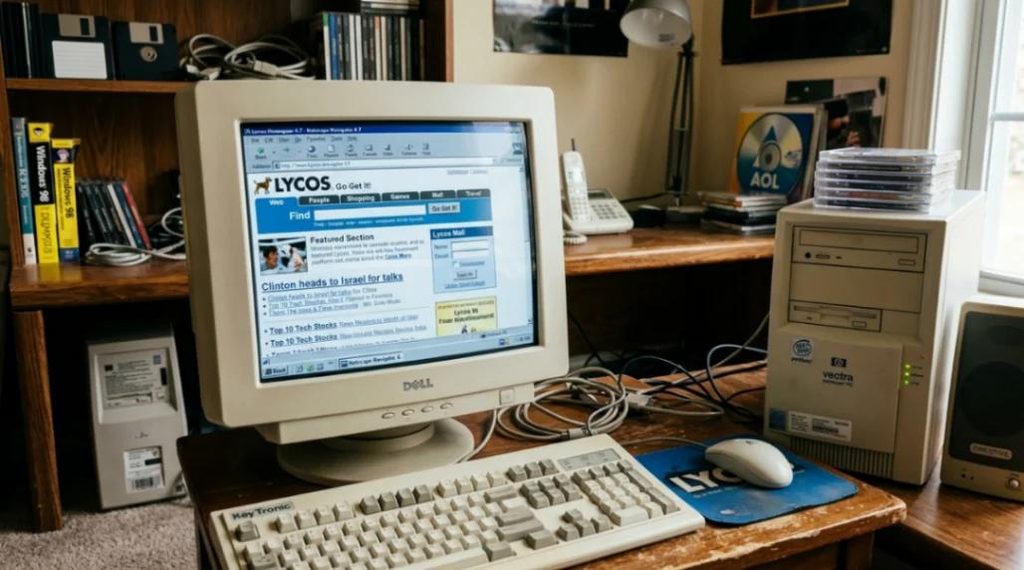
Our journey into computing began around 1999, when I undertook a Master of Science (MSc) degree in Information Technology.
At the time, the internet was still relatively young, particularly in terms of how businesses used it.
Coming from a professional property background, I could see how computers and websites might change the way we communicated technical information and provided professional advice.
Much of the information available about buildings, property defects and construction methods was contained in textbooks, professional publications or the experience of individual surveyors.
We wanted to make that knowledge more accessible.
Our first website venture was Home Truths, which became an important starting point for sharing information about buildings and property.
Initially, much of the writing and development was undertaken by myself.
What began as an interest in computing gradually became an essential part of our businesses.
2. The first generation — HTML and Dreamweaver
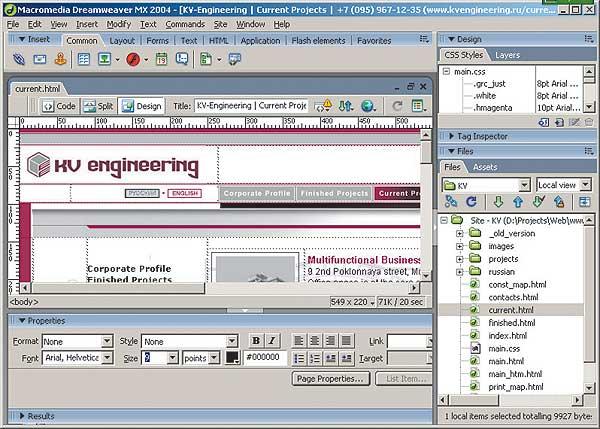
Early website design using Dreamweaver
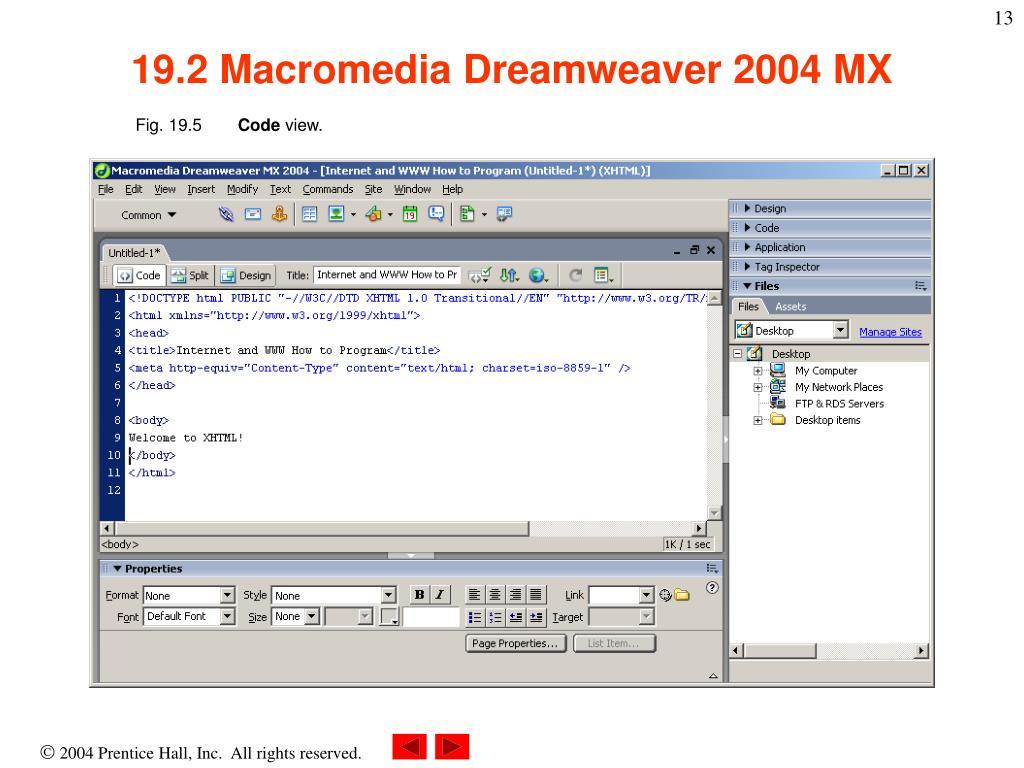
Writing and maintaining HTML code
Our earliest websites were created using HTML (HyperText Markup Language) and website design software such as Macromedia Dreamweaver, later acquired by Adobe.
In those days, developing a website involved considerably more manual work than it does today.
Individual pages needed creating, links maintaining, photographs preparing and information updating.
There was no artificial intelligence to help us write articles, suggest layouts or organise the content.
However, this experience gave us an understanding of how websites worked and how information needed to be structured.
We learned an important lesson: a successful website is not simply about the technology used to build it. It is about the quality of the information it provides.
That principle has stayed with us ever since.
3. From Home Truths to 1stAssociated.co.uk

From Home Truths, we gradually developed further property-related websites, including www.1stAssociated.co.uk.
This became one of our main general surveying websites, providing information on residential and commercial buildings, building surveys, property defects, construction methods and specialist property matters.
We wanted visitors to learn something useful, whether they were buying their first home, managing property investments or dealing with problems in an existing building.
As the website grew, we developed articles covering subjects such as dampness, structural movement, roofing, drainage, timber defects, listed buildings and commercial property.
We wanted our articles to reflect practical experience rather than simply repeat information already available elsewhere.
And we discovered that the more information we provided, the more opportunities there were to explain complicated subjects through photographs and sketches.
4. Google Sorted, ITZA.co.uk and our family of websites
As our experience grew, so did our collection of websites.
Through our website activities associated with Google Sorted and www.ITZA.co.uk, we developed approximately 75 websites covering a wide range of property-related subjects and other interests.
Some were general information websites, while others focused on specialist subjects.
As Google changed the way it assessed and ranked websites, we adapted our approach.
Rather than relying entirely on one large website, we explored developing more specialised websites addressing particular types of buildings, problems and services.
A selection of websites associated with our work includes:
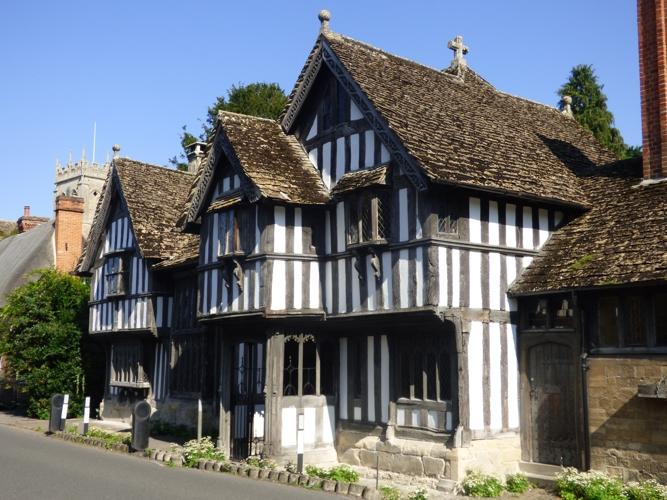
British Listed Building Surveys
Specialist information about historic and listed buildings, traditional construction and conservation.
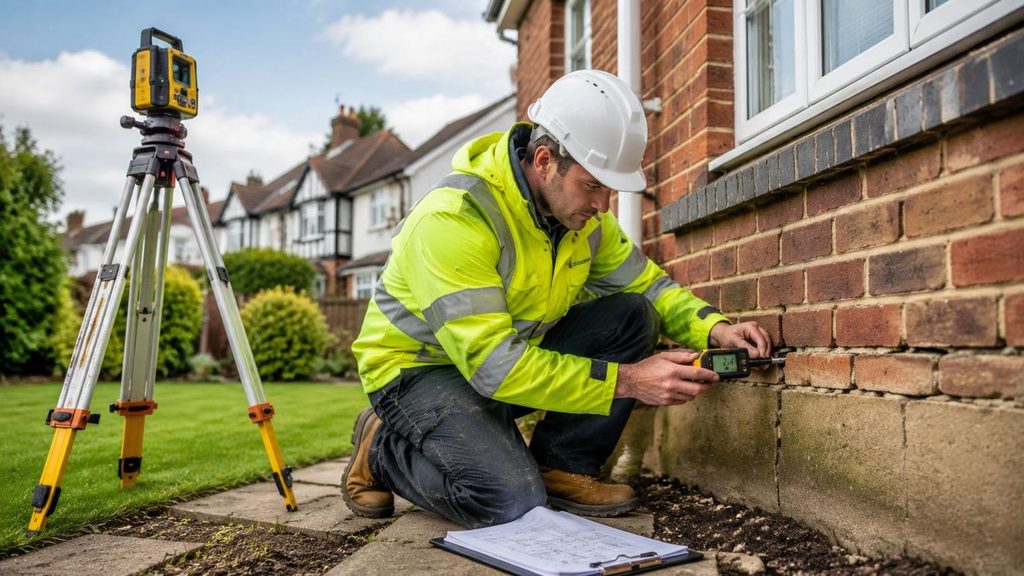
Exploring surveying techniques, professional methods and changing approaches to building inspection.
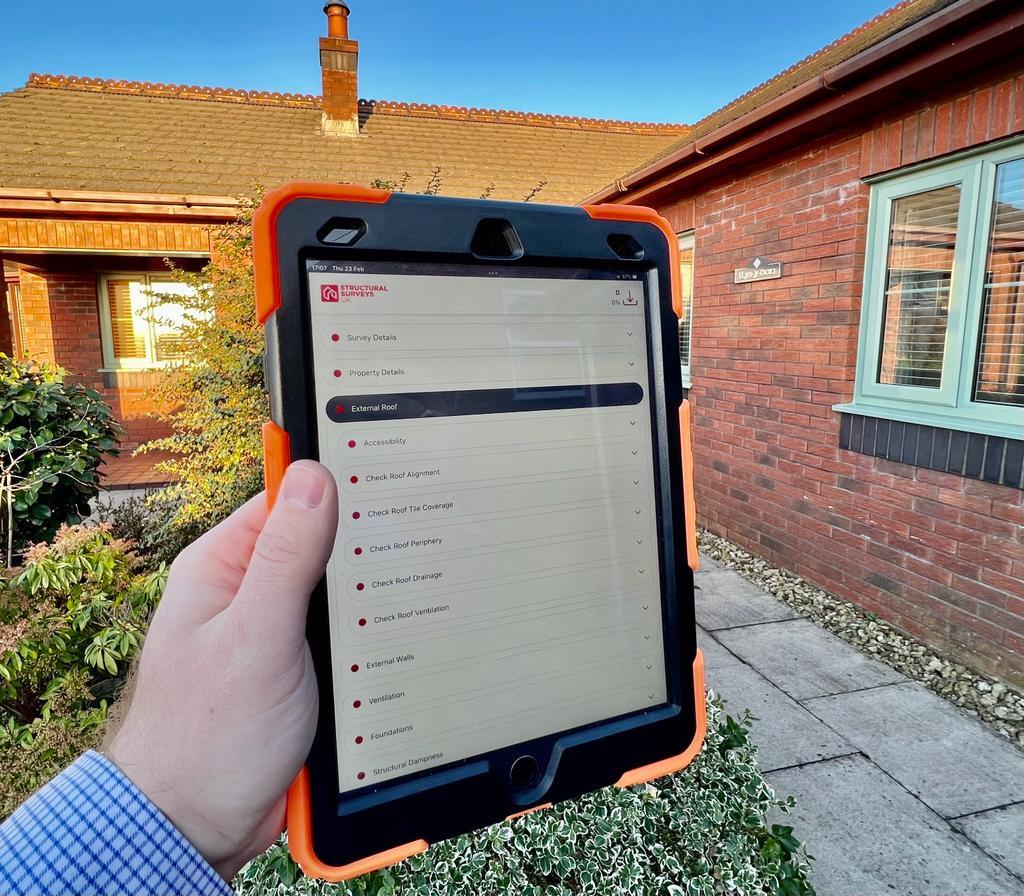
Combining our surveying knowledge with software development and technology.
We have learned that different websites require different approaches.
Some subjects need extensive technical explanations. Others benefit from attractive photographs, illustrations or videos.
The important thing is to present the information in a way that suits the visitor.
5. Our original photographs, sketches and videos
9
One of the things we are particularly proud of is the collection of original photographs and sketches we have developed over the years.
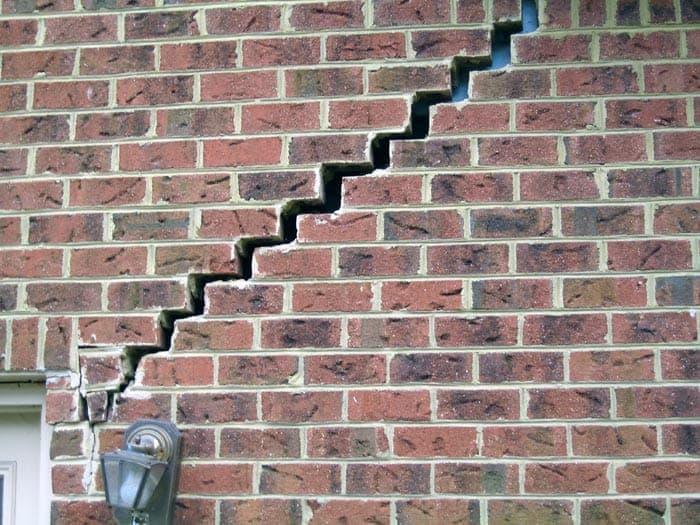
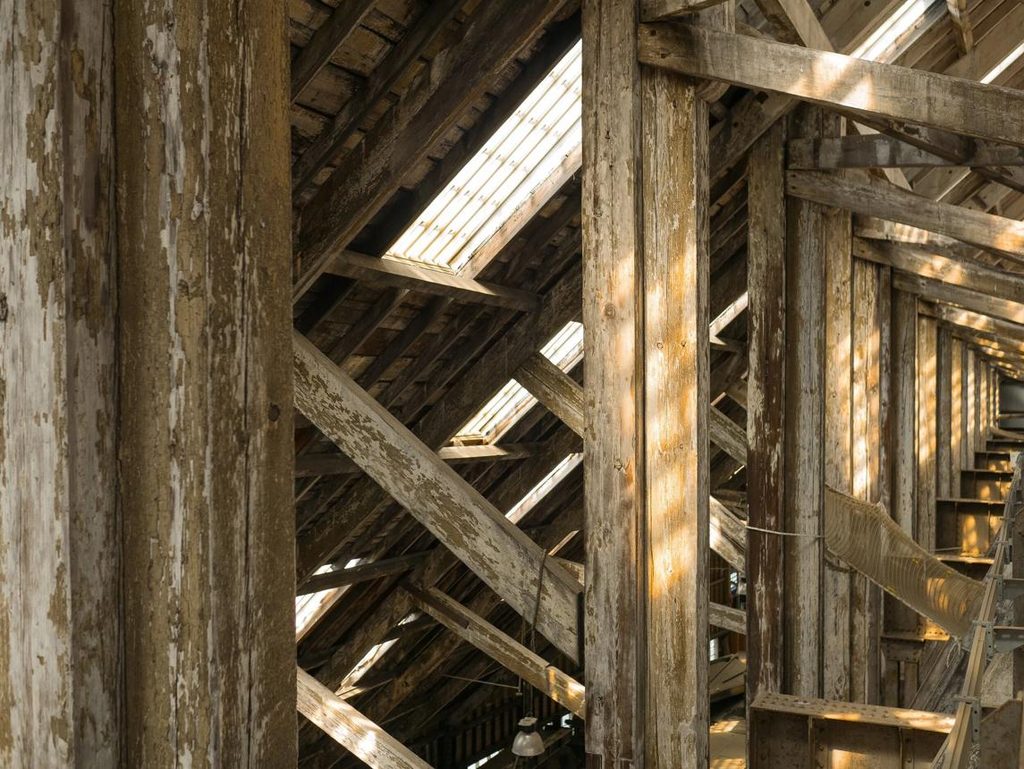
We have accumulated hundreds, and indeed thousands, of photographs from real property inspections.
These photographs illustrate actual building problems, construction details and the wide variety of properties we have encountered.
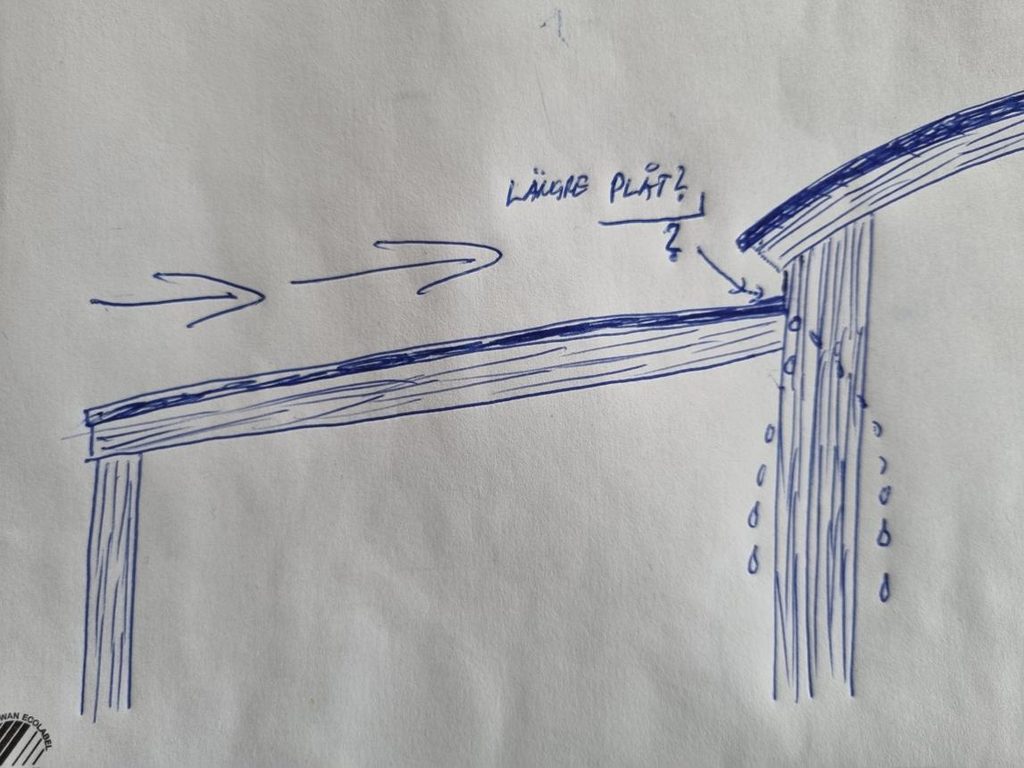
We have also produced more than a hundred original sketches and technical illustrations.
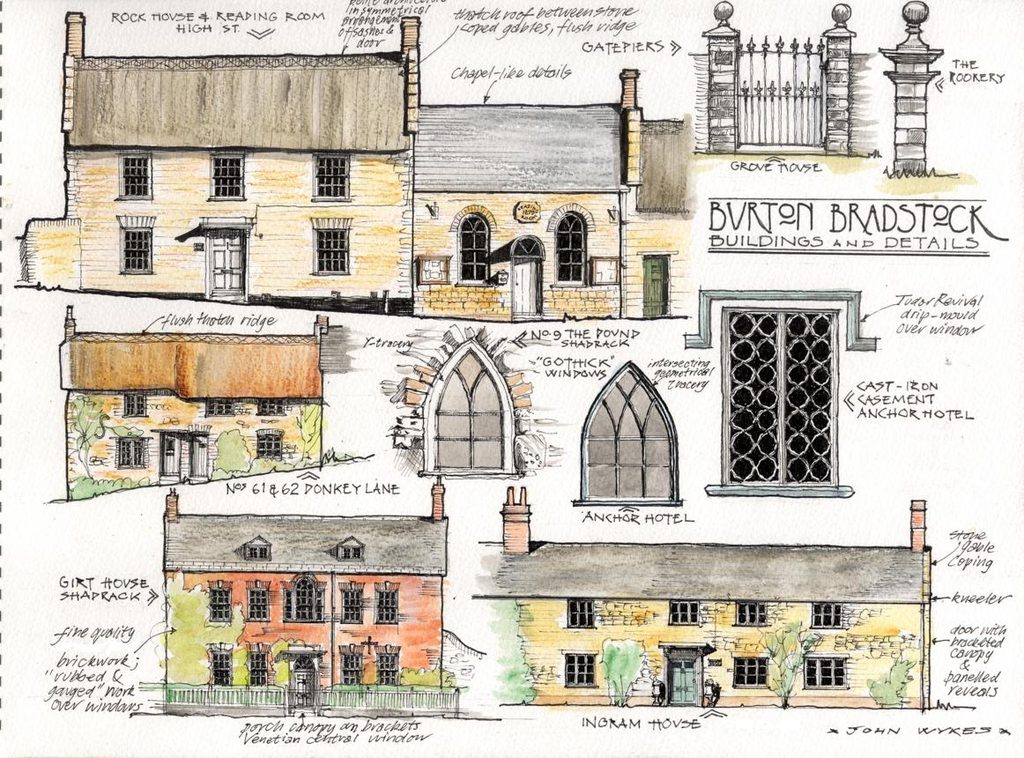
These drawings are particularly valuable because they allow us to explain things that can be difficult to understand from words alone.
A sketch showing how water penetrates a roof, for example, can explain a complicated defect much more clearly than several paragraphs of technical writing.
We have also experimented with video-rich websites, allowing visitors to see buildings, problems and processes in greater detail.
Our experience has taught us that words, photographs, sketches and videos work best when they complement one another.
We believe original images from real experience are far more useful than simply filling websites with generic photographs.
6. The people behind our websites
Although I originally wrote much of the content myself, our website development gradually became a team effort.
Over the years, Janet, Marie, Julia and Tara have helped us write, organise, develop and improve our websites.
Each person has contributed to the process of turning ideas into articles and working websites.
We have explored many different ways of presenting information, from highly detailed technical material to visually rich pages filled with photographs and drawings.
Throughout this period, the content was created by people, drawing on professional experience, research and practical knowledge.
As we move into the age of artificial intelligence, retaining this human element remains extremely important to us.
7. How websites have changed since 1999
Three generations of website development
- First generation — HTML and hand-built websites
Individual web pages, Dreamweaver, text-rich content, basic navigation and relatively simple designs.
- Second generation — WordPress and content management
Easier editing, more sophisticated layouts, mobile-friendly websites, richer photography, video and more flexible publishing.
- Third generation — Human and AI websites
Artificial intelligence assisting with research, content development, design, coding, image editing and project organisation.
Website technology has changed enormously since 1999.
In the early days, many websites were designed primarily for desktop computers. Pages were often text-heavy, with relatively small images and simple navigation.
As broadband connections became more common, websites could incorporate larger photographs, illustrations and videos.
Smartphones and tablets then changed everything again.
Websites needed to work on smaller screens, with clear navigation, readable text and layouts that adapted to different devices.
Search engines also became more sophisticated.
Google’s algorithms increasingly sought to identify helpful, relevant and reliable content rather than simply pages containing particular search terms.
This reinforced something we had believed for many years: the best long-term approach is to create genuinely useful information.
We have continued adapting our websites as technology, search engines and visitor expectations have changed.
8. WordPress — Our second generation of websites
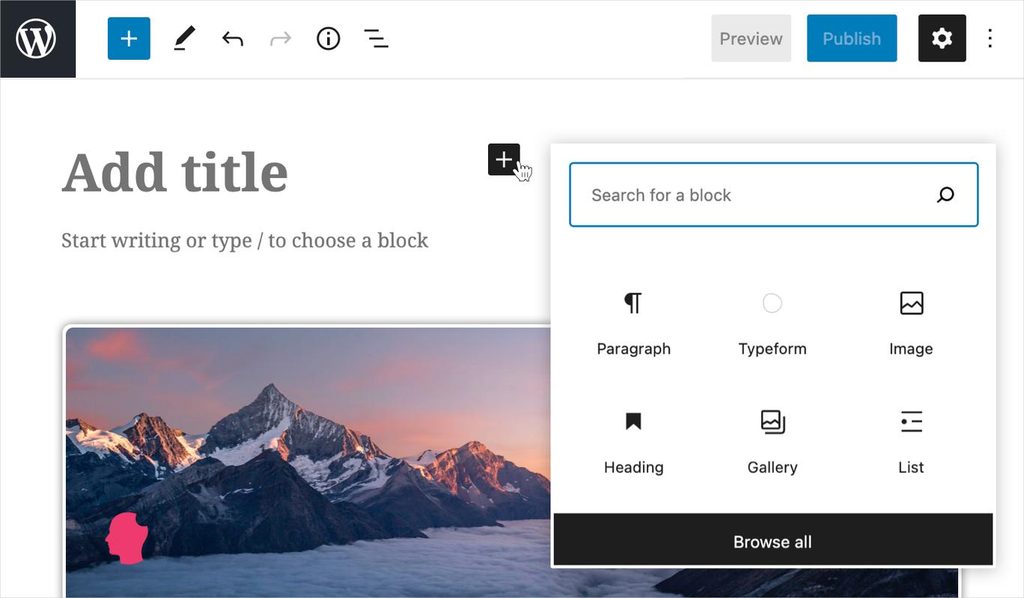
Moving to WordPress represented another important stage in our website development.
Instead of manually building and maintaining every page, we could use a content management system to organise articles, photographs, navigation and website layouts.
This made it easier to add new information and experiment with different ways of presenting it.
WordPress also allowed us to work more efficiently across a growing number of websites.
However, although the software made publishing easier, it did not replace the need for good writing, accurate information and careful presentation.
We still needed to decide what visitors wanted to know and how best to explain it.
9. The unsung hero — Our bespoke CRM and project management system
9
One of the most important developments in our businesses since 1999 has been something I knew very little about when we first started: Customer Relationship Management, usually shortened to CRM.
A CRM system is essentially a way of keeping information, contacts, communications, tasks and projects organised in one place.
We have developed two versions of our own bespoke CRM system, designed specifically around the way we work.
It has become absolutely critical to running our businesses.
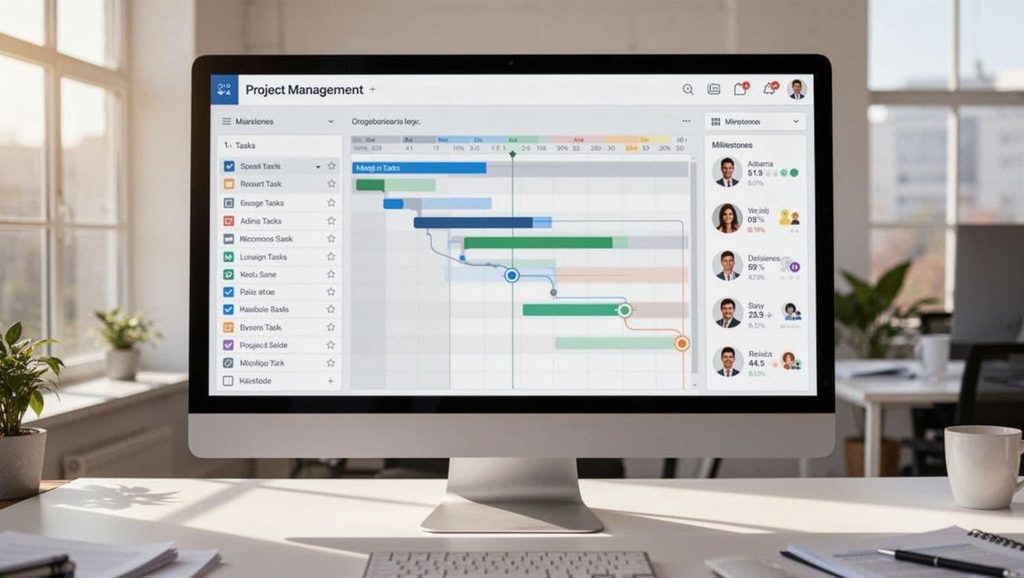
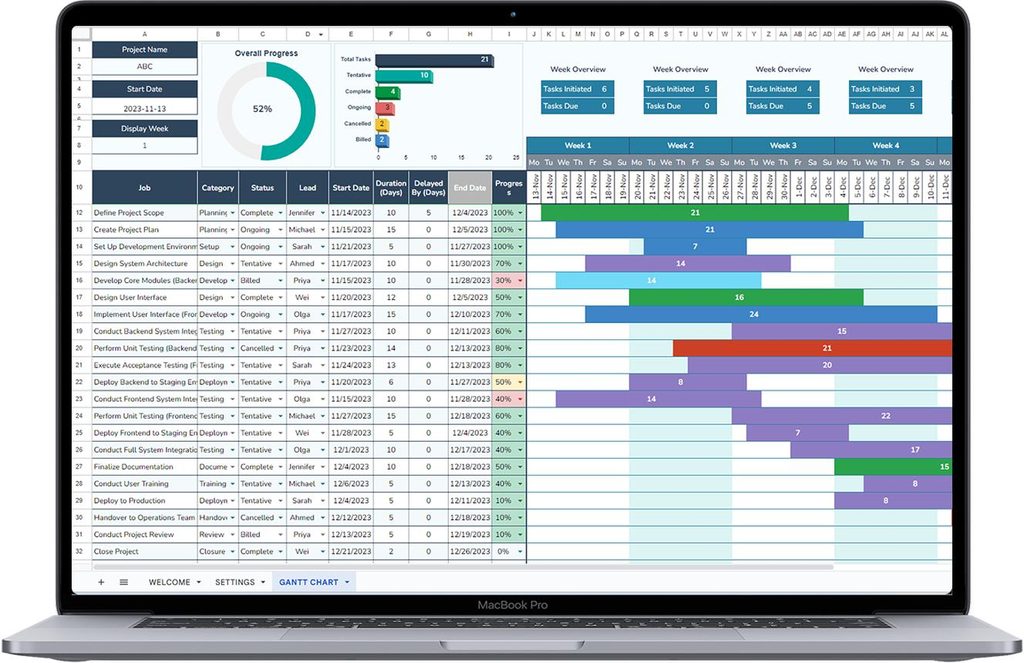
Perhaps surprisingly, one of its most valuable features has been its project management capabilities.
We have used our CRM extensively to develop and manage websites, coordinate ideas between different people and organise the development of our own software.
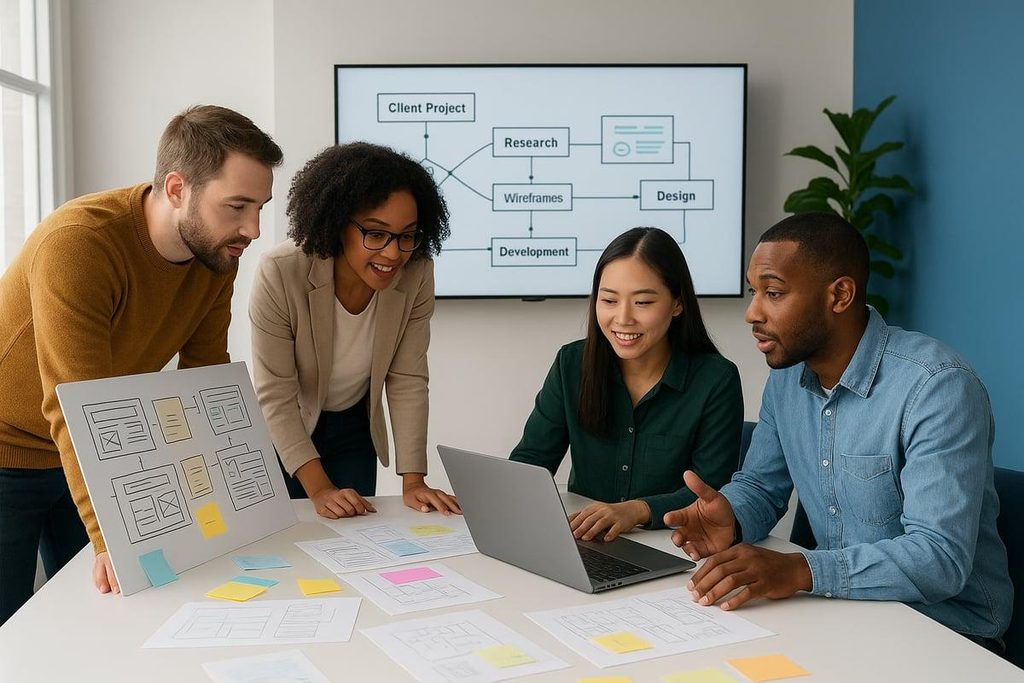
When several people are working on a project, ideas can easily become lost in emails, telephone conversations or forgotten notes.
Our CRM helps us bring those ideas together, record decisions, allocate tasks and keep track of progress.
Looking back, it is remarkable how much this technology has changed the way we work.
Don’t forget the spreadsheets!
Alongside our CRM, we have also developed some amazing spreadsheets over the years.
These have helped us plan websites, organise articles, manage tasks, compare information and track the progress of projects.
Sometimes the simplest tools are among the most useful.
We particularly like combining the structure of spreadsheets with the flexibility of our CRM.
Our advice — Get yourself a CRM
Whether you are running a large business or simply trying to organise your own projects, we would strongly recommend considering a CRM system.
You don’t have to be a large company to benefit.
Artists can use one to manage commissions, exhibitions, collectors and sales. Students can organise research, assignments and contacts. Writers can plan articles and publications.
Tradespeople can manage customers and jobs. Charities, clubs, photographers, designers, freelancers and small businesses can all benefit from keeping their information and projects organised.
You don’t necessarily need an expensive or complicated system. Start with something that suits your requirements and develop it as you learn.
Our experience is that good organisation helps good ideas become reality.
Can you help us improve our CRM?
Our bespoke CRM has served us extremely well, but technology continues to change.
We are currently looking for someone who can help us improve and develop our existing system.
It uses Laravel, a PHP web application framework, so experience with Laravel would be particularly useful.
We are interested in working with someone who understands existing software and can help us develop it further, rather than necessarily starting again.
If this sounds like something you could help us with, please get in touch.
You can find our contact details through our websites, including www.1stAssociated.co.uk and www.1stArt.co.uk.
10. William Morris — Skilled craftsmanship and organised production
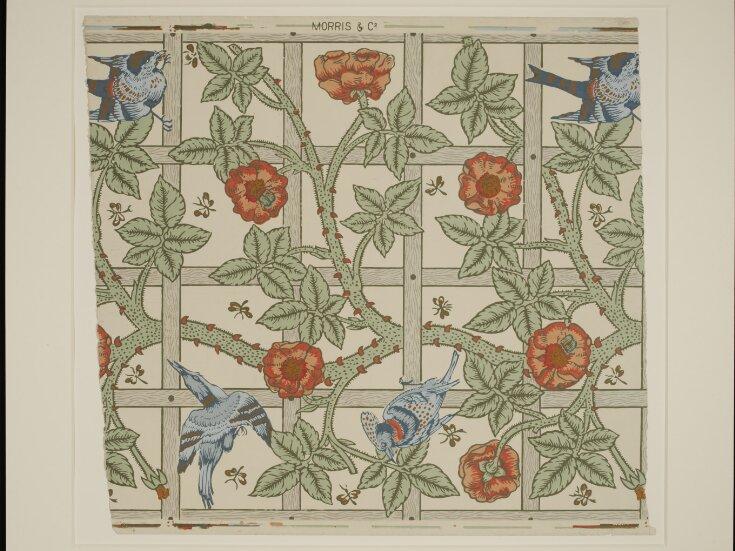
William Morris was passionate about skilled craftsmanship and the importance of good design.
He believed beautiful objects should be part of everyday life rather than reserved for the wealthy.
But Morris was also a businessman who understood the importance of organised production.
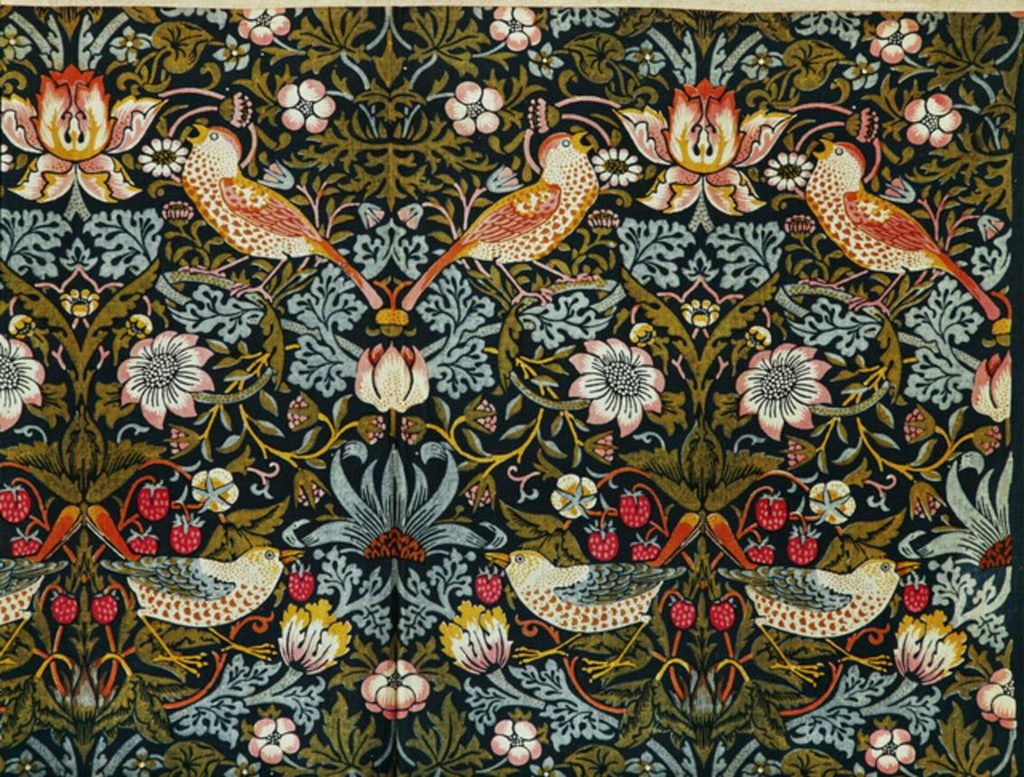
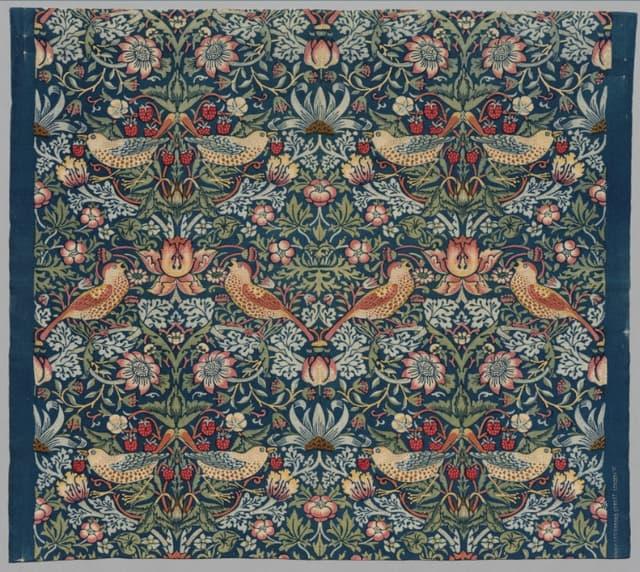
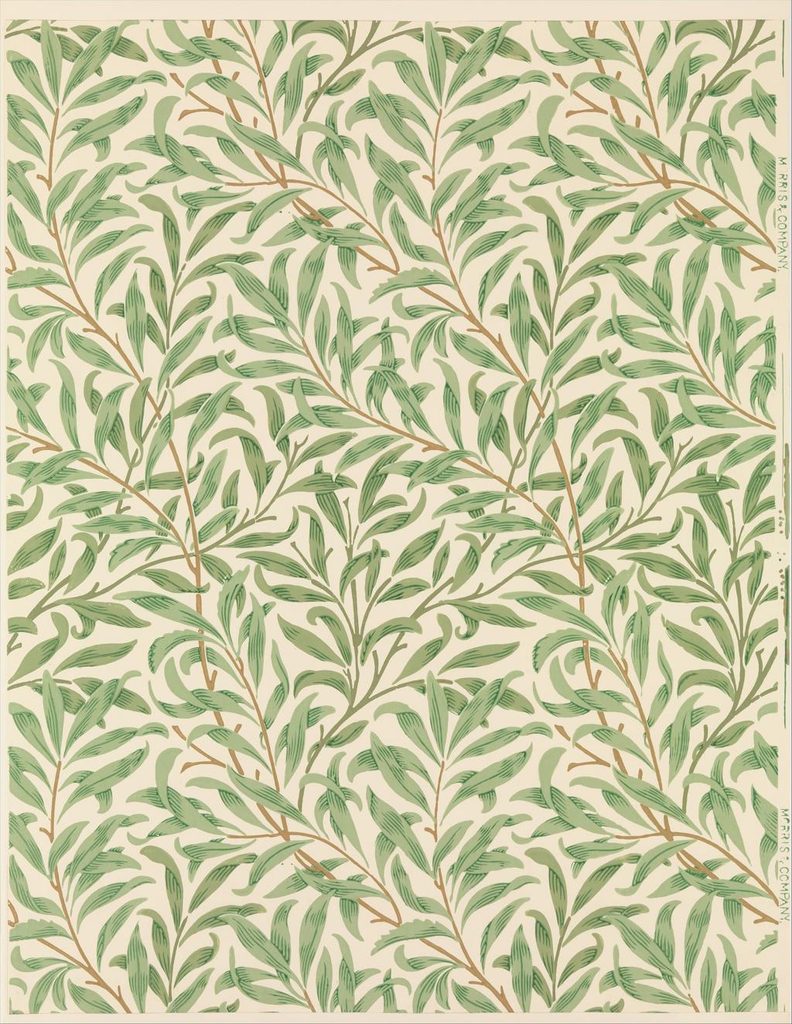
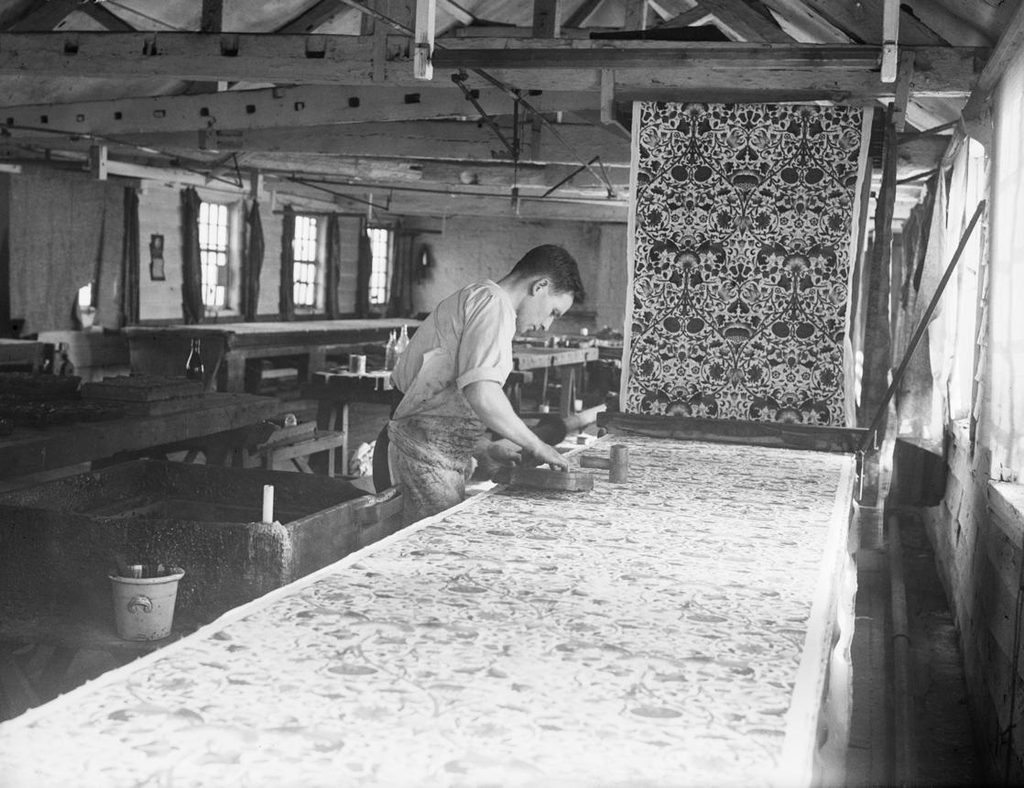
His wallpaper designs, for example, were reproduced using skilled workers, carefully prepared wooden printing blocks and established production methods.
His textile workshops also combined artistic design with specialist craftsmanship.
One particularly remarkable example is his St James’s wallpaper design, which required 68 separate printing blocks.
There is an interesting parallel with the way we have developed our own websites.
Morris relied on skilled designers, craftspeople and organised workshops to turn creative ideas into finished products.
We have relied on experienced people, original writing, photography, sketches, software, spreadsheets and our CRM to turn ideas into websites.
And now we are adding artificial intelligence.
The technology is completely different, but the underlying principle is similar: good ideas need skilled people and effective systems to bring them to life.
11. Our third generation — Humans working with artificial intelligence
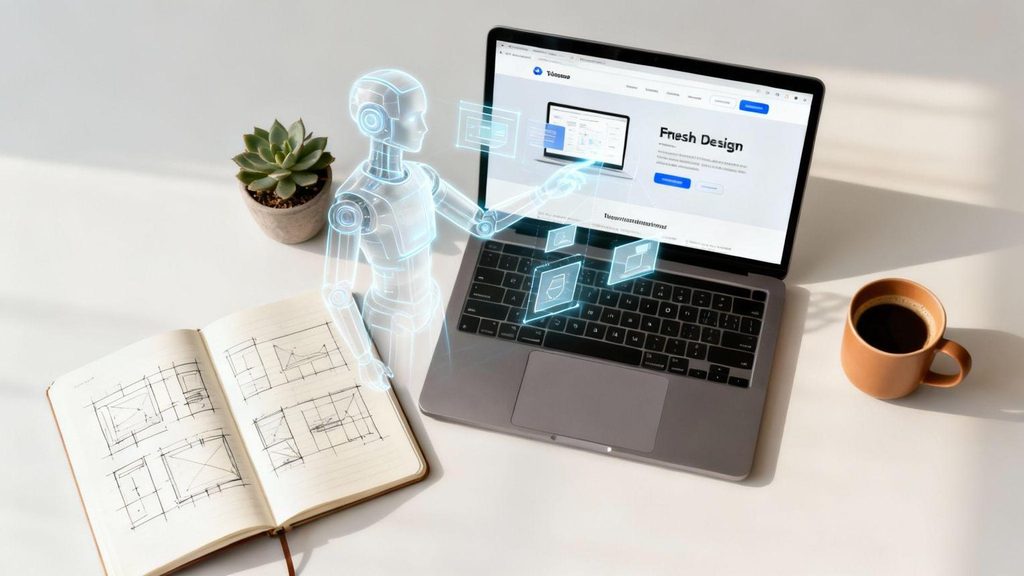
We are now entering what we see as our third generation of website development.
This time, the significant change is artificial intelligence.
We have a new person involved in our work, Vim, and together we are exploring how human knowledge and creativity can be combined with AI.
This is very much a learning process.
We are getting to know one another, understanding what AI can do well and discovering where it needs careful human direction.
AI can help us organise information, develop page structures, suggest improvements, write code and explore new visual ideas.
However, it can also make mistakes, misunderstand instructions or produce information that sounds convincing but is incorrect.
That is why we believe human judgement, original experience and careful checking remain essential.
We do not want AI to replace our knowledge.
We want to use it to help us communicate that knowledge more effectively.
12. Our new website — www.1stArt.co.uk
11
One of our first projects in this new phase is the development of www.1stArt.co.uk.
This provides an opportunity to apply everything we have learned about website development since 1999 while experimenting with the possibilities of AI.
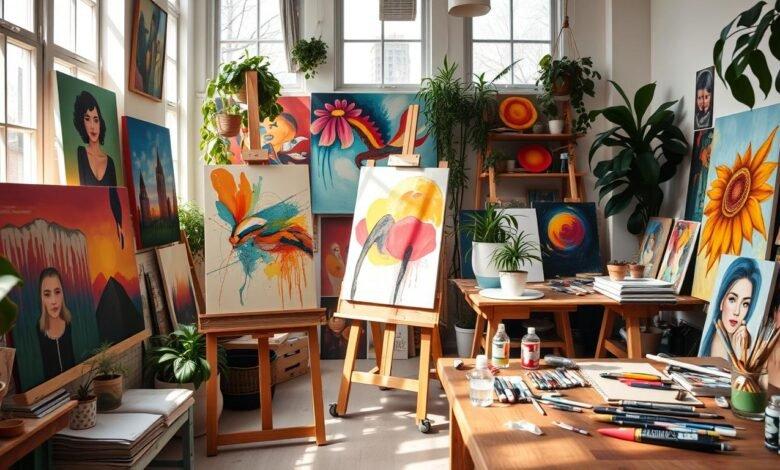
Unlike our more technical property websites, www.1stArt.co.uk is intended to be particularly visual.
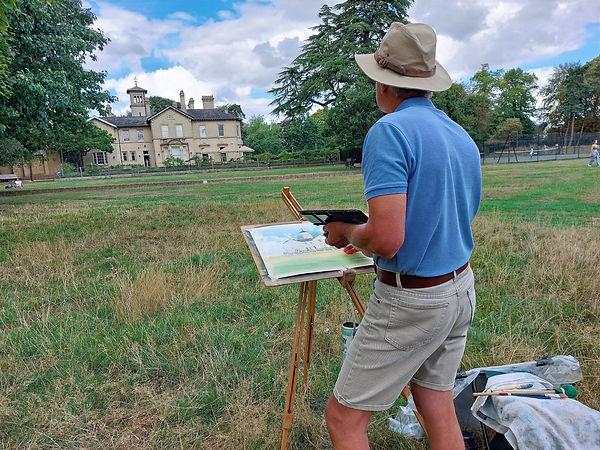
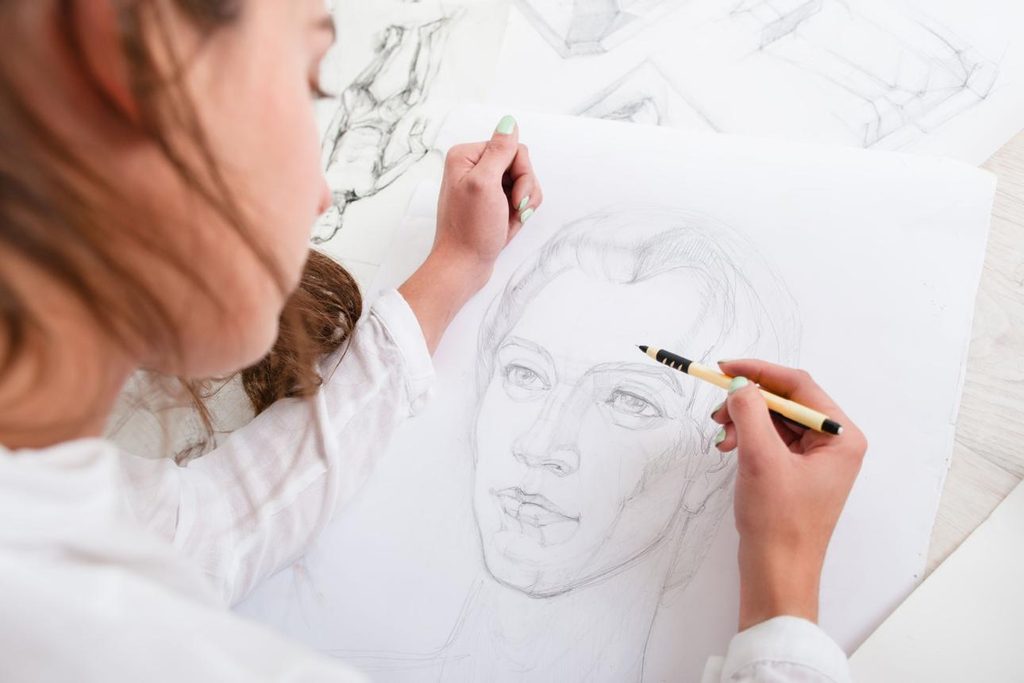
We want visitors to enjoy looking at artwork, learn something about painting and discover subjects they may not have considered before.
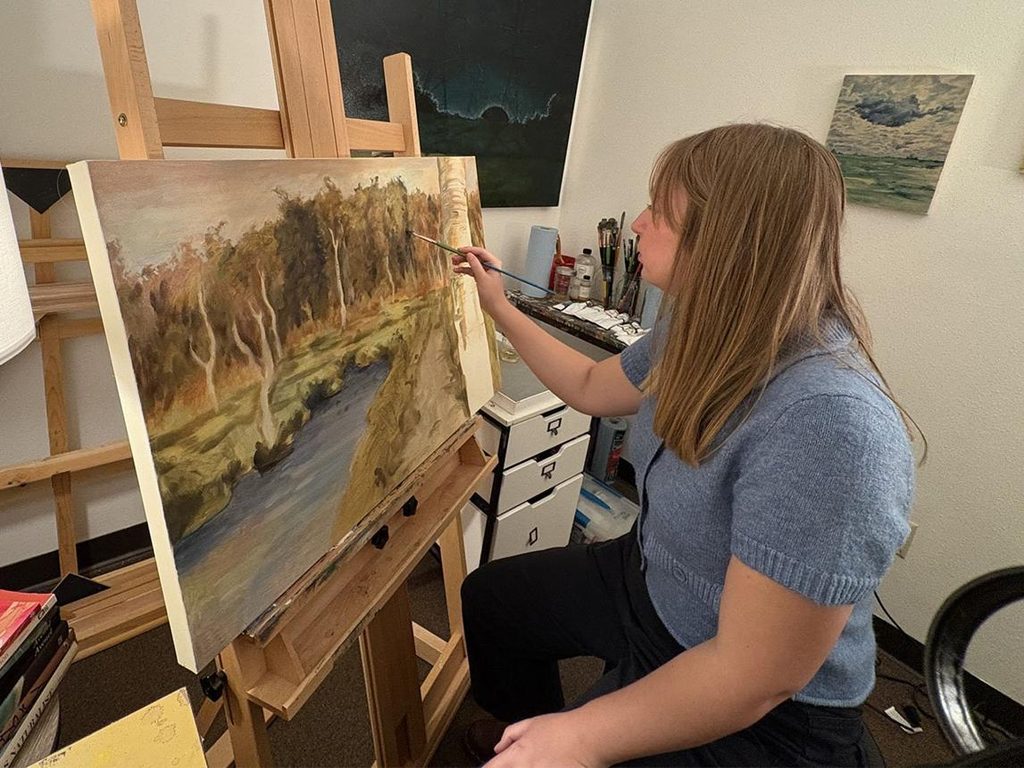
The website will bring together original paintings, drawings, photography, art history, practical painting lessons and our experiences of working with AI.
We also want to show how an artwork develops, from its initial idea to the finished picture.
Learning to Paint
We are developing material that explores how paintings are created, including colour, composition, light, shadows and different artistic techniques.
Love Nature
Nature and the outdoors provide inspiration for much of our artwork.
We want to explore landscapes, seascapes and the benefits of spending time outdoors, observing and creating.
Can You Spot the Hidden Art?
This is one of our new articles exploring hidden images, optical illusions and paintings that reward closer observation.
It includes our own contemporary artworks, Chasing Cars and Cat’s Eyes, alongside well-known works by historical artists.
Chasing Cars — MGH
Original artwork | For sale £520
Cat’s Eyes — MGH
Original artwork | For sale £320
Both paintings invite viewers to look again and discover something that may not be obvious at first.
They demonstrate the kind of original content we want to develop for www.1stArt.co.uk.
13. Discovering artists, makers, collectors and art experiences
4
We don’t want www.1stArt.co.uk to be simply a website displaying our own paintings.
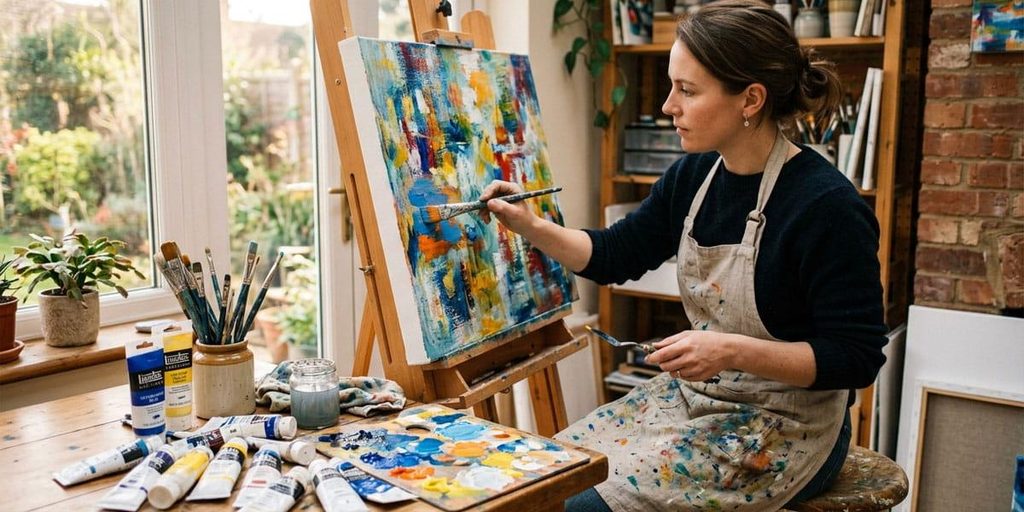
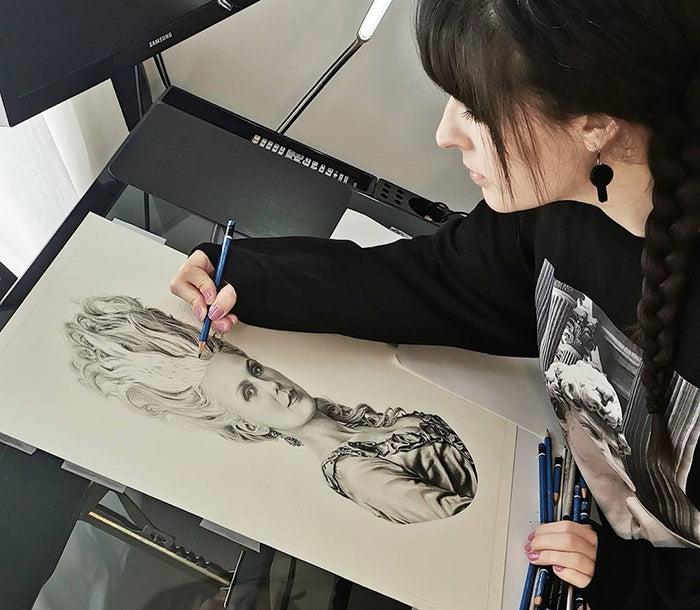
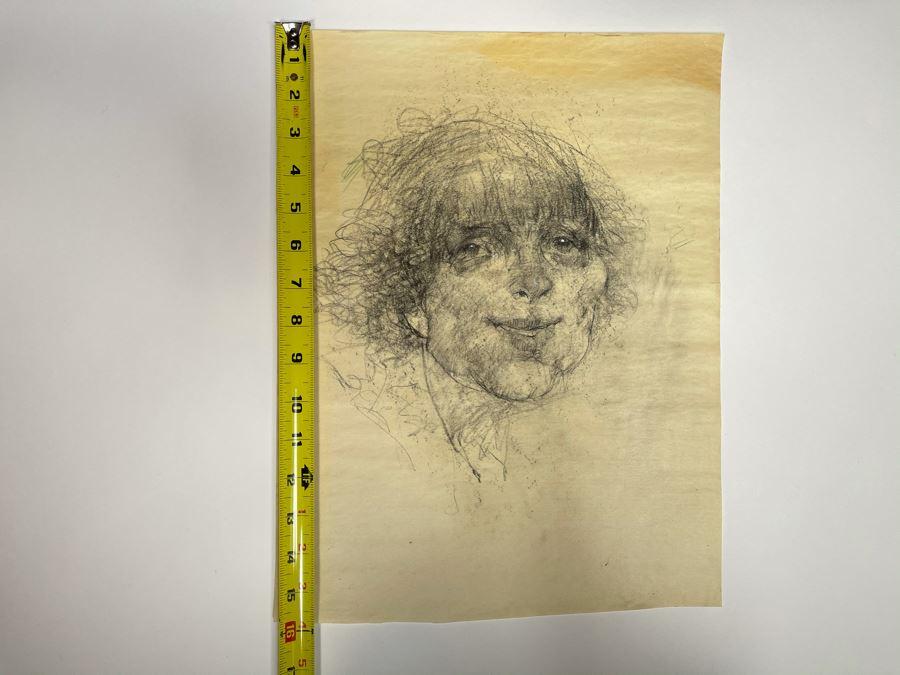
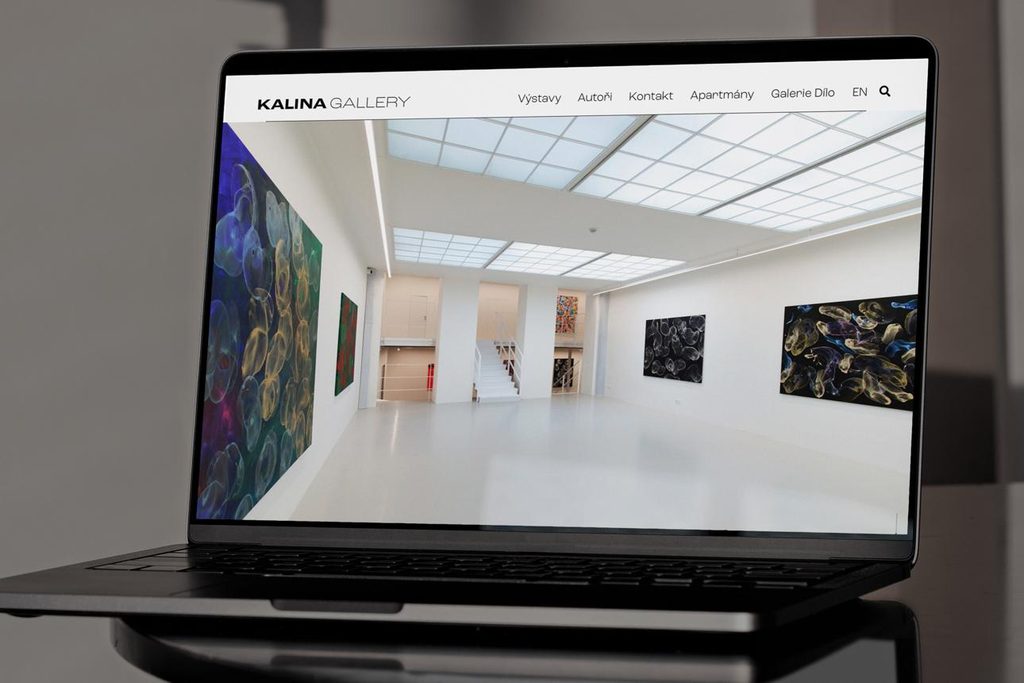
We want it to become a place where people can discover interesting artists, makers, collectors, galleries and art experiences.
Over the years, we have met many people with fascinating knowledge, skills and enthusiasm for art.
Some are professional artists. Others are enthusiastic amateurs, collectors, craftspeople or people who help artists sell their work.
We intend to introduce some of these people through www.1stArt.co.uk, sharing their stories and providing links to their websites where appropriate.
We are interested in art in all its different forms.
From pencil sketches and drawings to watercolours, acrylics and oil paintings, and from sculpture and clay modelling to ceramics, photography and other creative activities.
We also want to share our experiences visiting exhibitions, galleries, workshops and other interesting places connected with art.
Supporting ethical art businesses
Another important part of www.1stArt.co.uk will be introducing people and businesses involved in selling art.
We are particularly interested in galleries, dealers and other organisations that we believe operate ethically and treat both artists and buyers fairly.
Where we have had positive experiences, we would like to share them.
We believe recommendations based on genuine experience can be much more useful than simply reproducing advertising material.
Our intention is to build a collection of interesting, trustworthy links that visitors can explore.
14. Developing www.1stArt.co.uk with AI — Our working experiment
8
We want to do something slightly different with www.1stArt.co.uk.
Rather than simply presenting a finished website, we want to explain how we develop it, what we learn and how the relationship between people and AI changes during the process.
We are beginning with our own paintings, photographs and written ideas.
We then explore how AI can help us improve the presentation, investigate subjects, organise information and experiment with different artistic approaches.
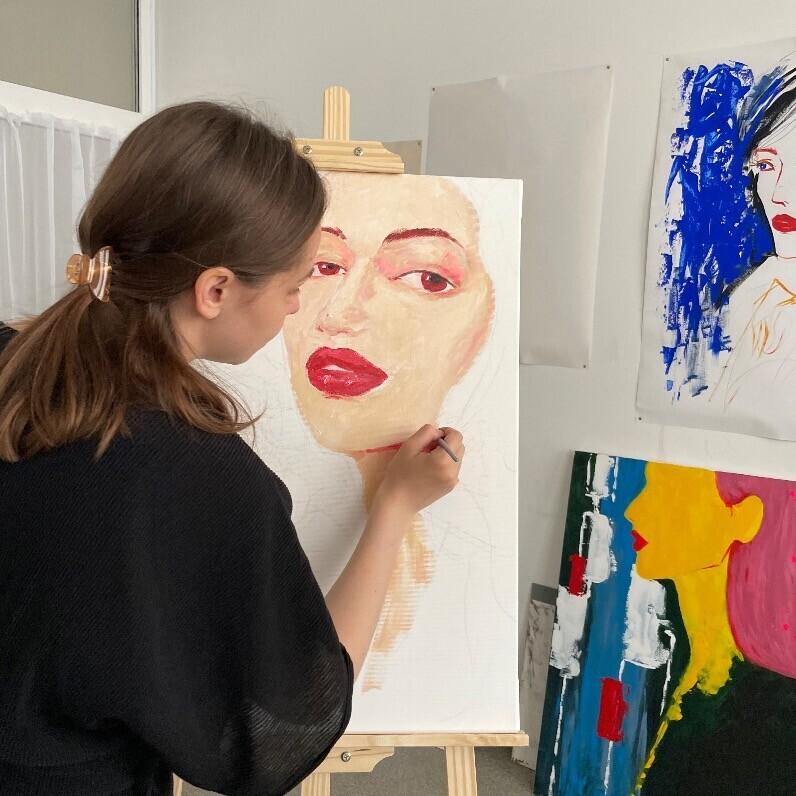
For example, an original painting might be developed through several stages, experimenting with different backgrounds, colours, weather conditions or painting styles.
We can compare the results, decide which improvements work and reject those that do not.
Sometimes the AI understands what we want immediately. Sometimes we have to explain the same instruction several times.
That, too, is part of the learning process.
We believe showing these successes, mistakes and improvements will be interesting and useful to people learning about both art and artificial intelligence.
15. Our ten principles for developing www.1stArt.co.uk
- Create a website that is both useful and beautiful.
- Use our own original artwork, photography and sketches wherever possible.
- Write articles that answer questions people genuinely search for.
- Combine interesting information with attractive visual presentation.
- Add new material regularly rather than allowing the website to become static.
- Explain how artworks develop, including mistakes and improvements.
- Explore AI as a creative assistant while retaining human control.
- Check factual information, image rights and historical claims.
- Make the website easy to use on computers, tablets and mobile phones.
- Continue learning, experimenting and improving.
16. What would William Morris have thought of AI?
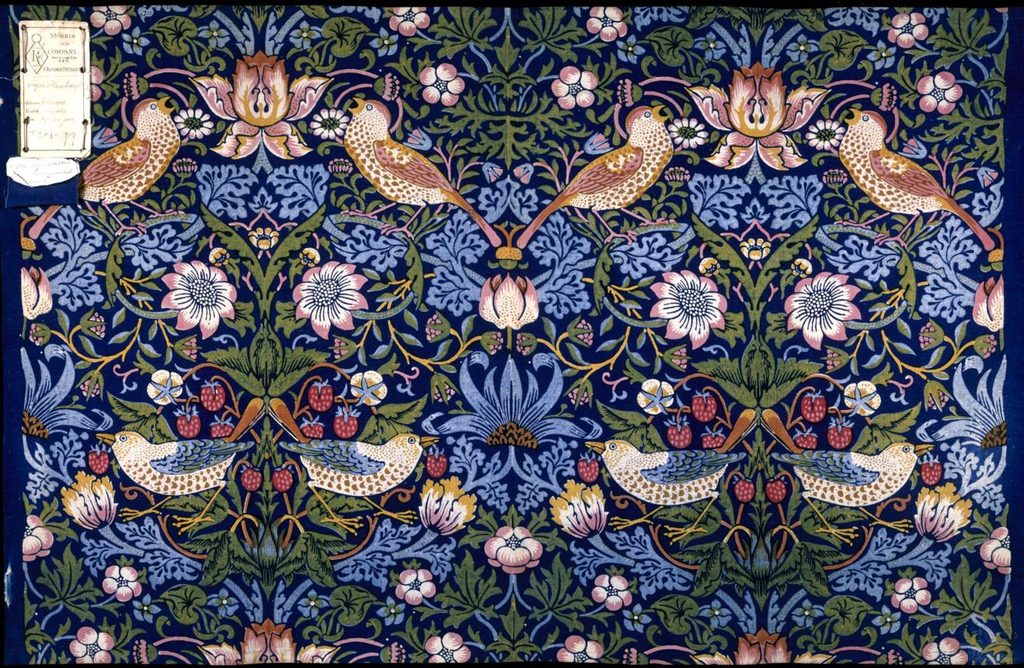
William Morris believed that art and craftsmanship should have a meaningful place in everyday life.
He valued the relationship between the maker, the materials and the finished work.
Yet he also understood the importance of organised production in making his designs available to a wider audience.
We cannot know what Morris would have thought about artificial intelligence, but his ideas provide an interesting question for our new generation of websites.
Can technology help us make things that are more useful and more beautiful, without losing the human creativity behind them?
That is what we intend to explore.
Since we began developing websites, the technology has changed beyond recognition.
We have moved from writing HTML by hand to using sophisticated website management systems and now to working with artificial intelligence.
But the underlying objective has remained remarkably consistent.
We want to share knowledge, explain interesting subjects and create websites that people enjoy visiting.
Useful information, original experience and beautiful presentation — brought together through human creativity and new technology.
And perhaps that brings us back to William Morris.
“Have nothing in your houses that you do not know to be useful, or believe to be beautiful.”
William Morris
Human creativity, skilled craftsmanship, useful technology and beautiful presentation