Can You Spot the Hidden Art?
Look once. Look again. Then look closer.
1st Art | Discover Hidden Images in Famous Paintings and Contemporary Art
Have you ever looked at a painting and suddenly realised there was something hidden within it?
Some of the world’s most fascinating paintings contain secret images, optical illusions, disguised faces and unexpected details. Sometimes these are deliberately concealed by the artist. At other times, they reveal themselves only when we change the way we look.
From Renaissance masterpieces to Salvador Dalí’s surrealist paintings and contemporary art, we explore 11 artworks that encourage us to look a little closer.
And, wherever possible, we’ve included the museum or gallery where you can see the original.
1. The Ambassadors — Hans Holbein the Younger (1533)
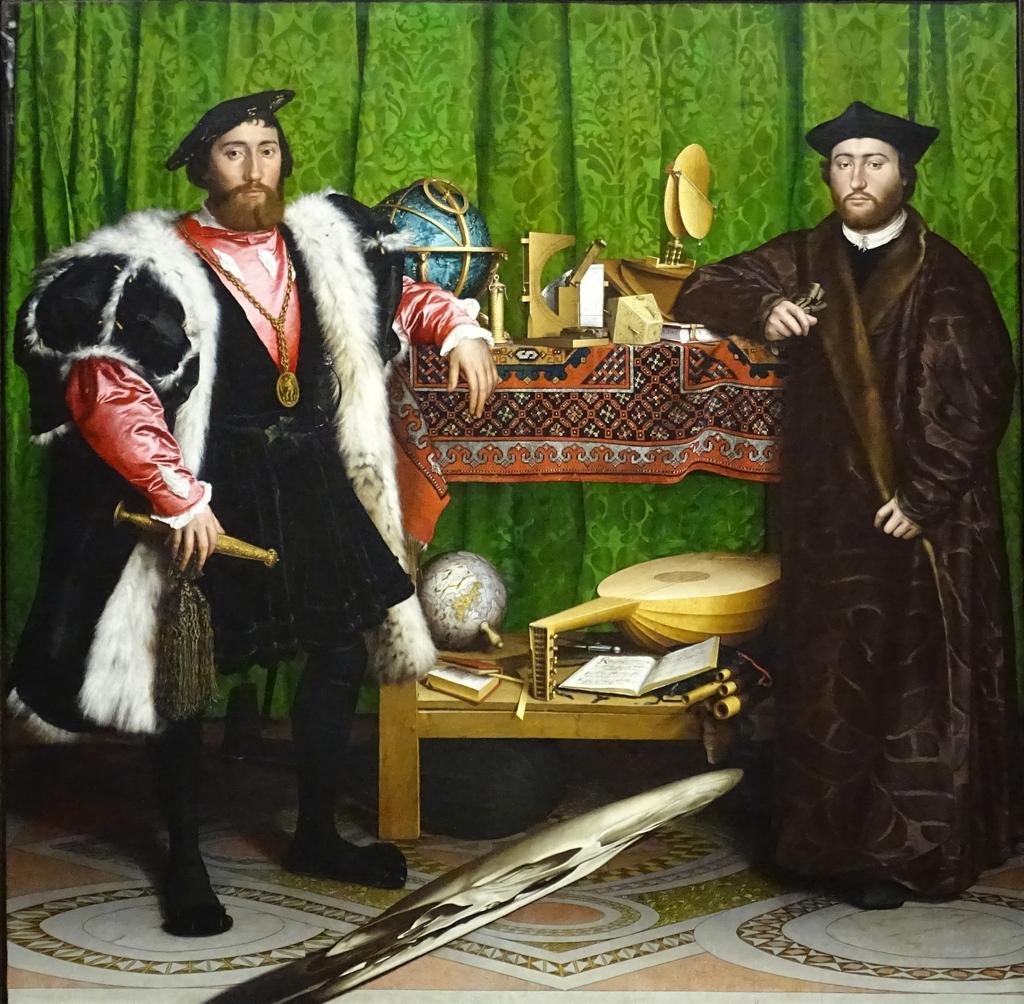
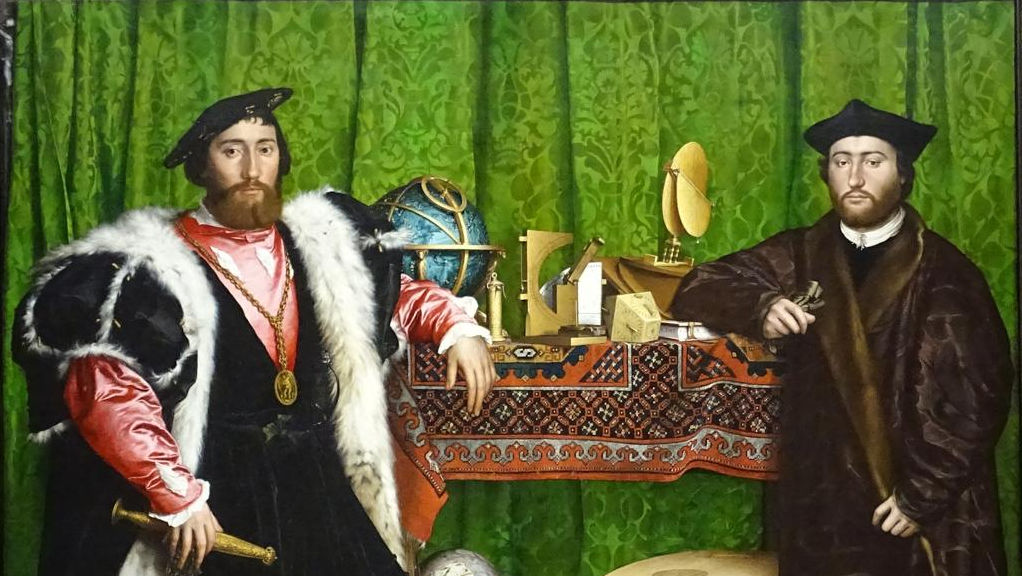
At first glance, this looks like a magnificent portrait of two wealthy and educated gentlemen surrounded by scientific instruments, books and other objects.
But what is that strange, stretched shape floating across the floor?
Move to the side of the painting and look at it from a sharp angle. Suddenly, the distorted object becomes a human skull.
Holbein used a technique called anamorphosis, in which an image only makes sense when viewed from a particular position. It is a reminder of mortality hidden in a portrait of worldly success.
Where to see it: The National Gallery, Trafalgar Square, London WC2N 5DN.
2. Slave Market with the Disappearing Bust of Voltaire — Salvador Dalí (1940)
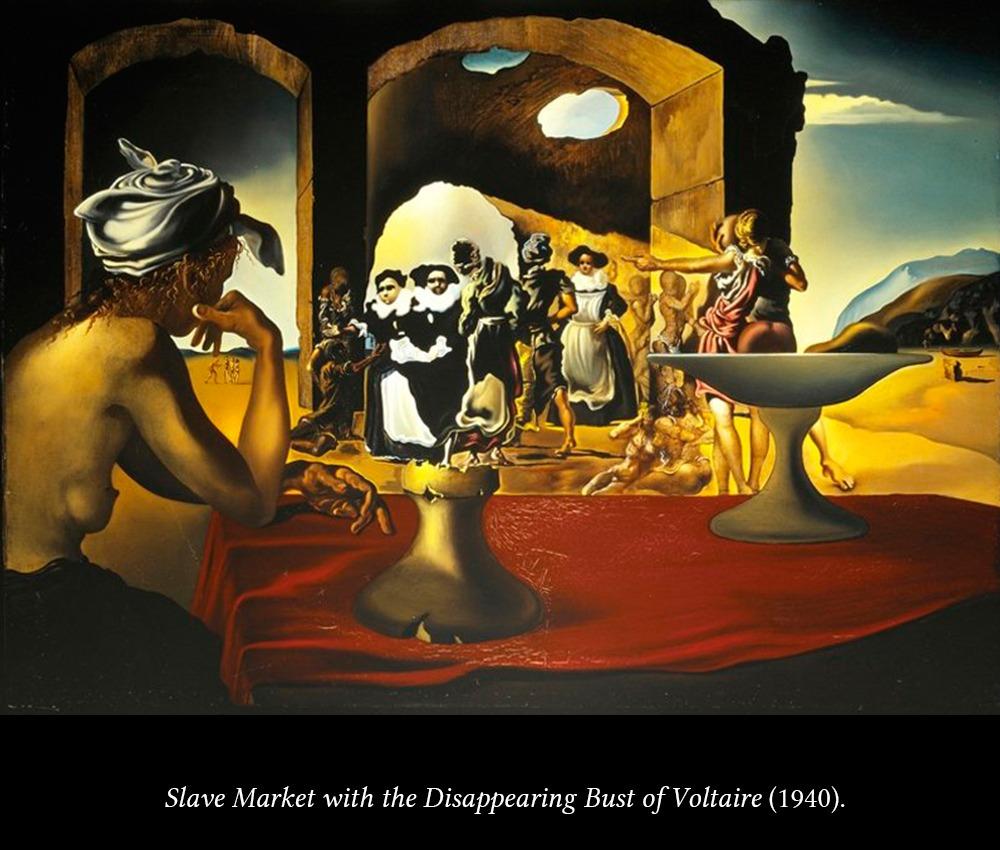
What do you see first — a group of people in a marketplace or the face of a famous philosopher?
Dalí arranged figures and architectural details so that, when viewed together, they form the face of Voltaire.
Look closely at the two women near the centre. Their heads and clothing become parts of the philosopher’s face.
Once you’ve seen the hidden portrait, it becomes difficult to look at the painting in quite the same way again.
Where to see it: The Dalí Museum, St Petersburg, Florida, USA.
3. Chasing Cars — MGH (Contemporary Art)
Original artwork by MGH — For sale £520
Chasing Cars is a street scene that is partly photographed and partly imaginary.
At first, you might simply see a car driving through a street. But look again.
The car isn’t just driving by.
And look even closer — you’ll discover that the streets are paved with gold.
This contemporary artwork invites us to question what is real, what is imagined and what might be hiding in plain sight.
Artist: MGH Where to see it: Original artwork offered for sale through the 1st Art website.
4. Swans Reflecting Elephants — Salvador Dalí (1937)
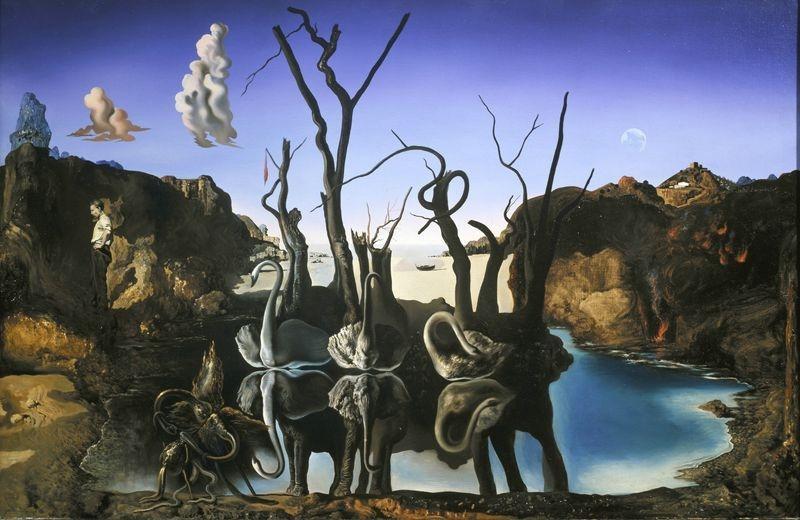
This painting is a wonderful example of how reflections can deceive the eye.
Look at the three swans floating on the lake. Now look at their reflections in the water.
Can you see the elephants?
The swans’ necks become the elephants’ trunks, while the surrounding trees help complete the illusion.
Dalí has created two different scenes within the same painting. Which one do you see first?
Where to see it: Private collection. The original is not normally available for public viewing.
5. The Great Paranoiac — Salvador Dalí (1936)
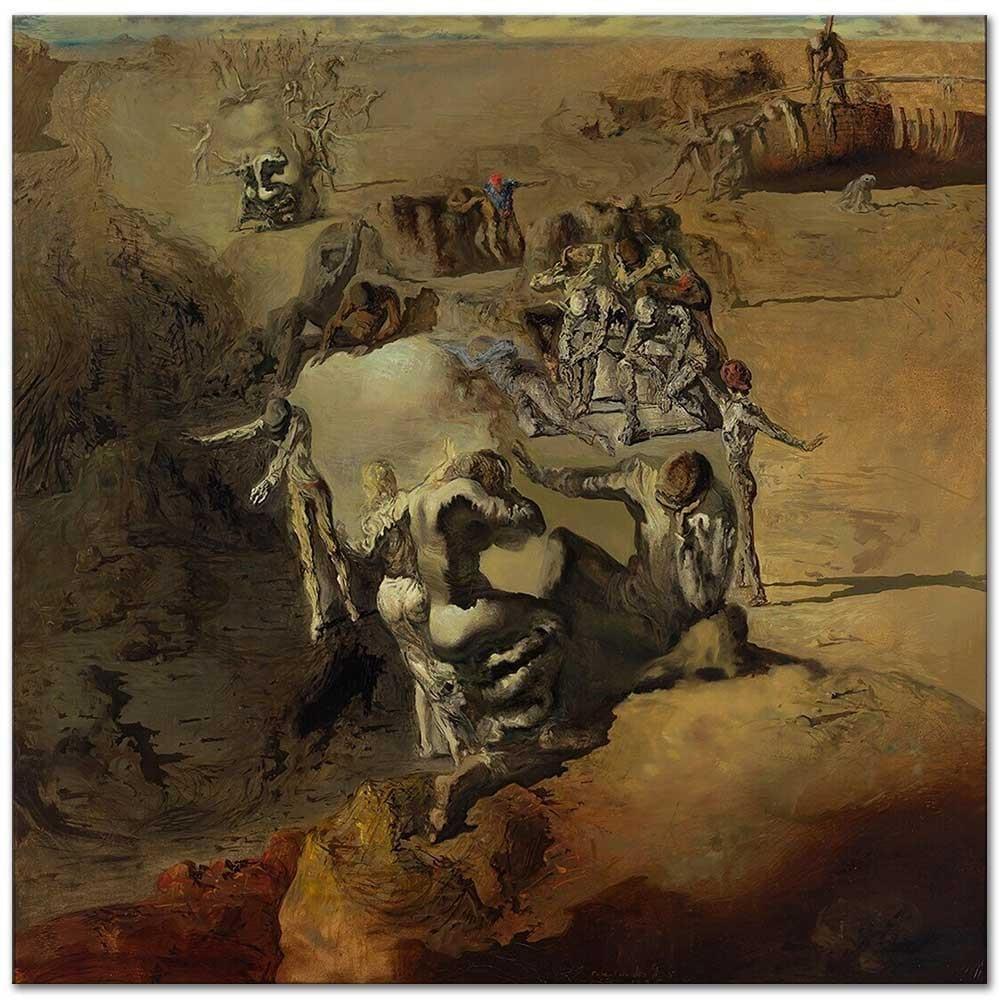
This surrealist painting appears to show a collection of strange figures and shapes.
But look at the overall arrangement rather than concentrating on the individual details.
Gradually, a much larger human face begins to emerge.
Dalí was fascinated by the way our brains recognise familiar forms within apparently unrelated objects.
The painting demonstrates how something can be both obvious and almost invisible at the same time.
Where to see it: Collection of Museum Boijmans Van Beuningen, Rotterdam, Netherlands. Check its current exhibition location before visiting.
6. The Librarian — Giuseppe Arcimboldo (c. 1562)
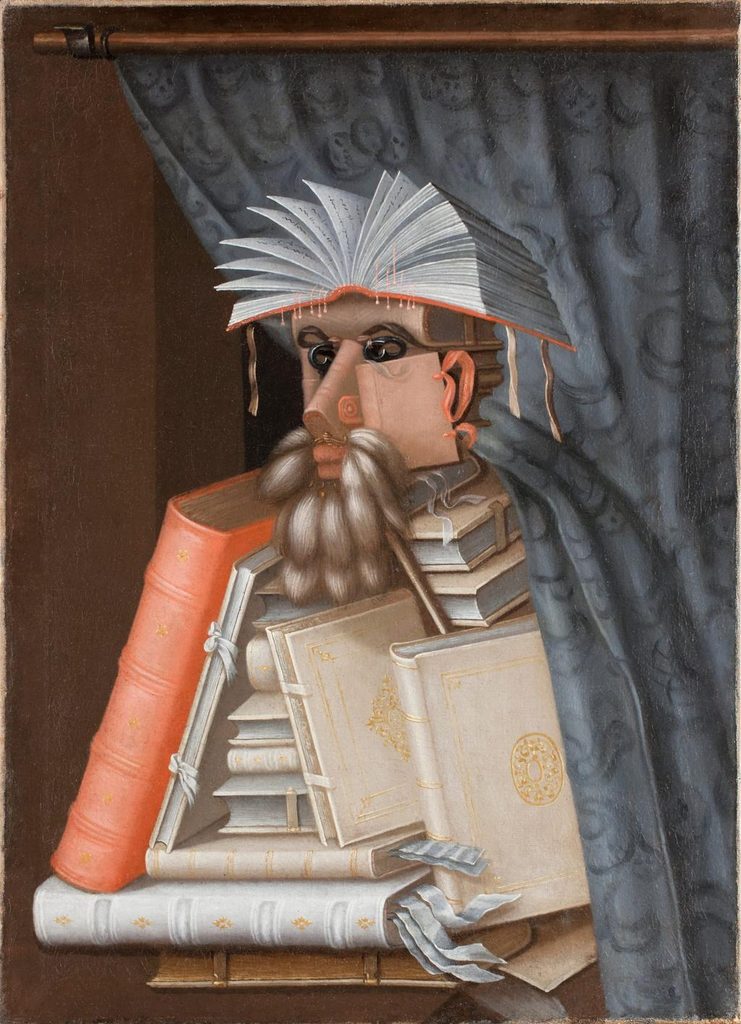
At first, this appears to be a rather unusual portrait of a scholarly gentleman.
But look at his face, clothing and body.
The entire figure is assembled from books, pages and other objects associated with a library.
Arcimboldo was famous for constructing human portraits from everyday objects, fruit, vegetables and flowers.
His paintings are particularly interesting because they can be appreciated both as portraits and as collections of individual objects.
Where to see it: Skokloster Castle, Skoklostervägen 100, 746 96 Skokloster, Sweden.
7. The Human Condition — René Magritte (1933)
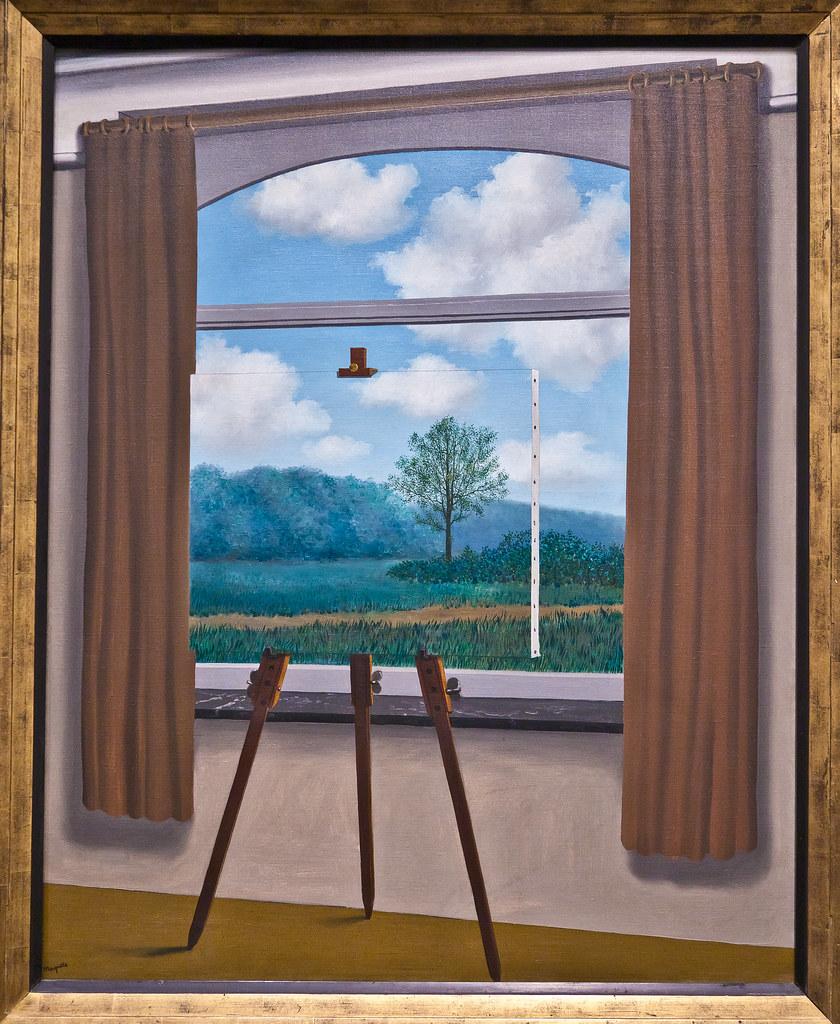
Imagine standing in a room looking through a window at a beautiful landscape.
Now imagine placing a painting on an easel directly in front of that window.
What if the painting matches the landscape behind it so precisely that you can hardly tell where one ends and the other begins?
That is the illusion Magritte created.
The artwork asks an intriguing question: are we looking at reality, or simply a representation of it?
Where to see it: National Gallery of Art, Washington, DC, USA. Check whether the painting is currently displayed.
8. Café Terrace at Night — Vincent van Gogh (1888)
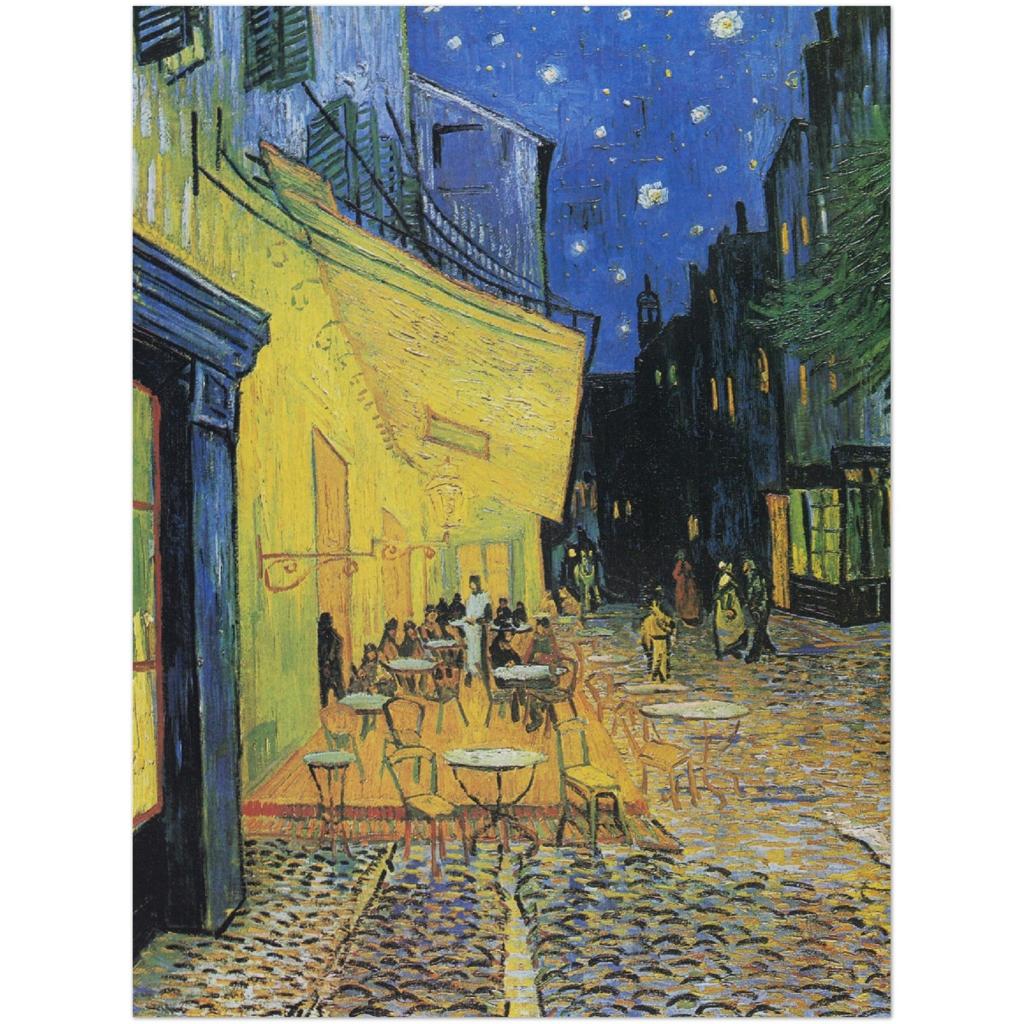
Van Gogh’s famous night-time café scene is filled with glowing yellow light, deep blue skies and carefully observed details.
But have you ever looked closely at the stars?
Van Gogh painted the night sky with remarkable attention to the arrangement of the stars. Astronomical research has shown that the constellations correspond to the sky over Arles when the picture was painted.
Some viewers also suggest that the arrangement of figures recalls religious imagery, although this interpretation is speculative.
Sometimes hidden art is not a deliberately concealed face or object. It can be an unexpected detail that changes our appreciation of the painting.
Where to see it: Kröller-Müller Museum, Houtkampweg 6, 6731 AW Otterlo, Netherlands.
9. Hidden Portraits — The Secrets Beneath the Paint
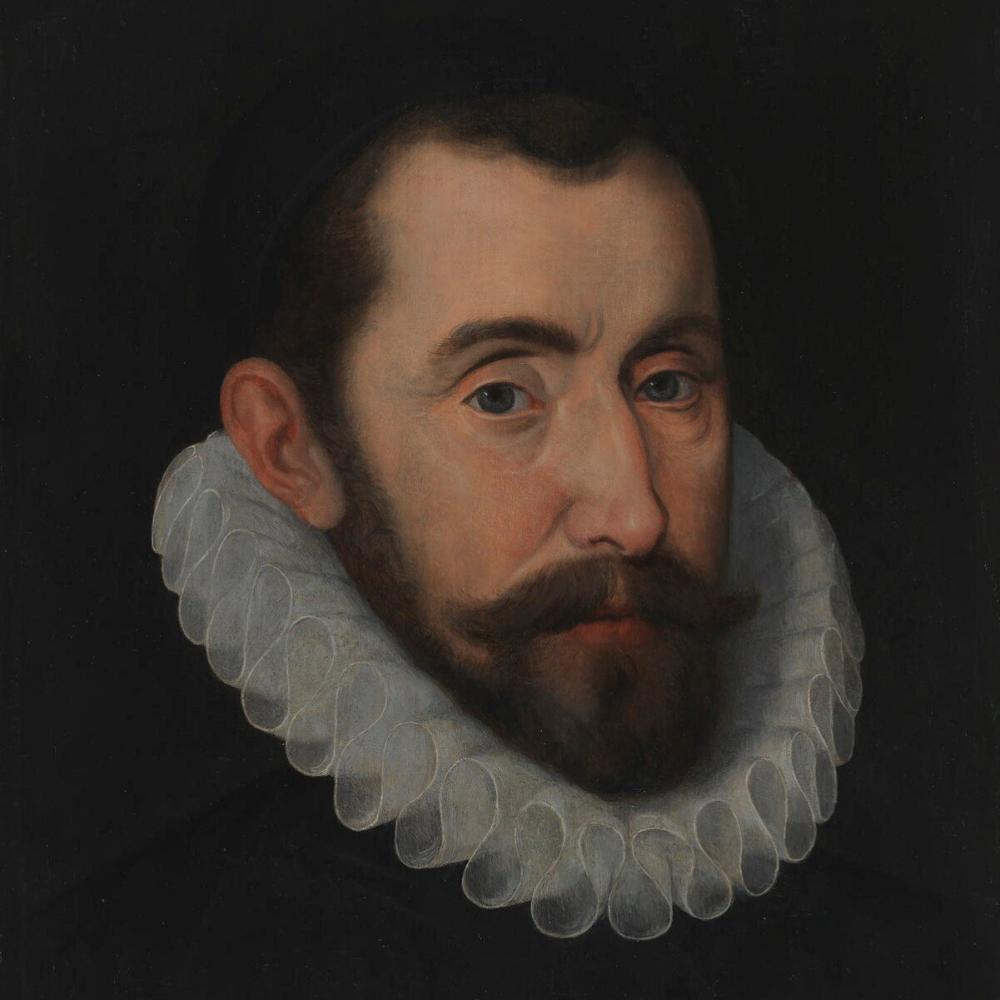
Not every hidden image was intended to be seen.
Art historians have discovered that some paintings conceal completely different artworks underneath their surfaces.
One remarkable example is a sixteenth-century portrait of Sir Francis Walsingham, the Elizabethan statesman and spymaster.
Scientific examination revealed religious imagery beneath the visible portrait.
Modern technology, including X-rays and infrared imaging, allows researchers to discover images that have remained hidden for centuries.
Where to see it: National Portrait Gallery, St Martin’s Place, London WC2H 0HE. Current display status should be checked.
10. Cat’s Eyes — MGH (Contemporary Art)
Original artwork by MGH — For sale £320
Cat’s Eyes is a recent contemporary drawing exploring how we see and interpret the world around us.
The idea is simple: sometimes you need to look, look again and then look closer before you understand what you’re seeing.
Of course, if you’re a dog, you might not need to look quite so carefully. You can simply use your nose!
It’s a playful reminder that observation is about more than simply seeing something for the first time.
Artist: MGH Where to see it: Available through the 1st Art website.
11. Forever Always — An Optical Illusion of Love
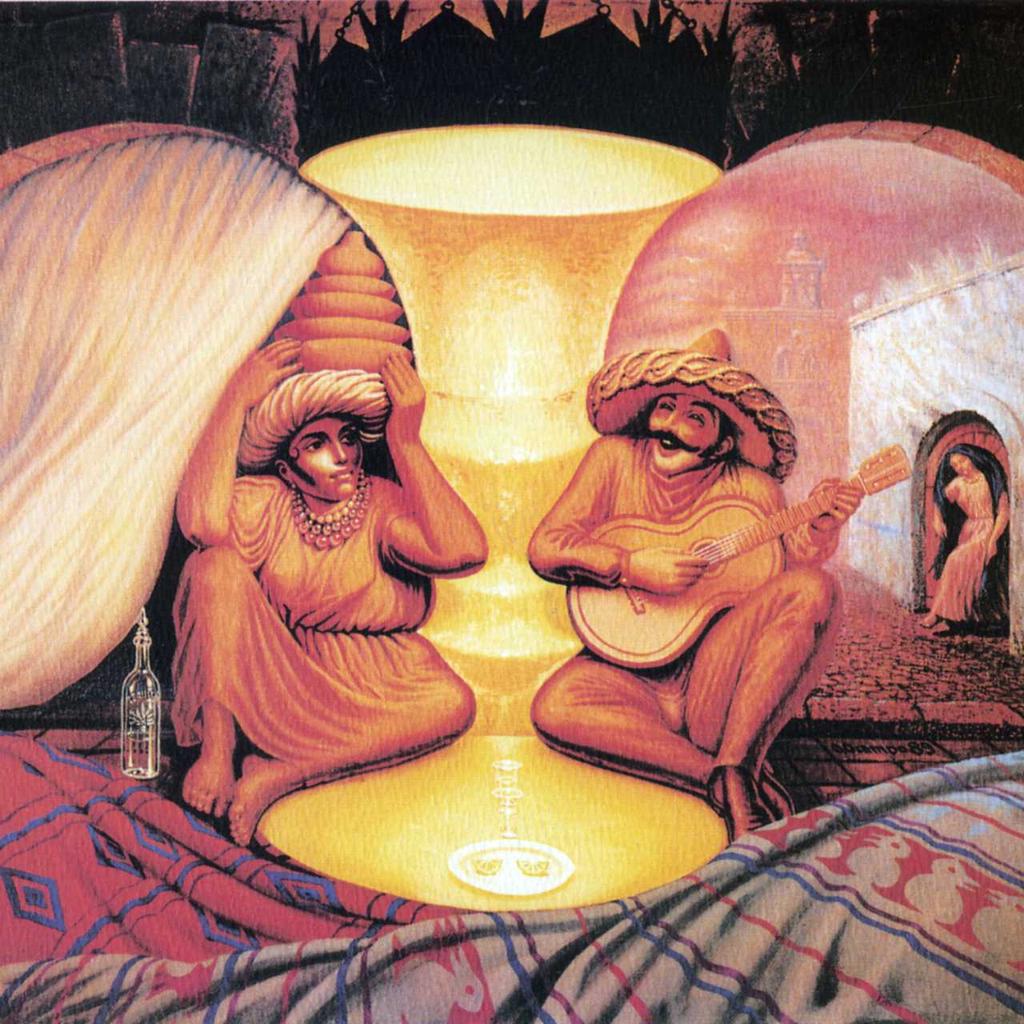
At first glance, this remarkable optical illusion appears to show an elderly couple looking lovingly towards one another.
But look closer.
Their faces contain smaller figures and scenes, cleverly arranged to create the larger portrait.
The artwork encourages us to consider love, ageing and the different stages of life.
Can you identify the individual figures before your eyes return to the elderly couple?
Where to see it: The original’s current gallery location has not been reliably established. The attribution to Octavio Ocampo also requires verification before publication.
Learning to Paint: The Art of Looking Closer
What can we learn from these remarkable paintings?
Perhaps the most important lesson is that great art encourages us to observe.
Whether you are learning to paint landscapes, experimenting with abstract art or creating contemporary paintings, developing your observation skills can completely change the way you work.
Try looking at an everyday object from several different angles. Consider the shapes, reflections, shadows and spaces around it.
Could those shapes form another image? Could a reflection suggest something unexpected? Could your painting tell two stories rather than one?
The artists featured here demonstrate that a painting doesn’t always have to reveal everything immediately.
Sometimes the most interesting discoveries are those we make ourselves.
Every day’s a school day.
And remember:
Look once. Look again. Then look closer