Art Galleries in Birmingham: Birmingham Museum & Art Gallery
Birmingham Museum & Art Gallery brings together centuries of art, design and history, with a particularly important collection of Pre-Raphaelite art. From Victorian paintings and stained glass to contemporary exhibitions, it offers a fascinating look at both Birmingham and the wider world of art.
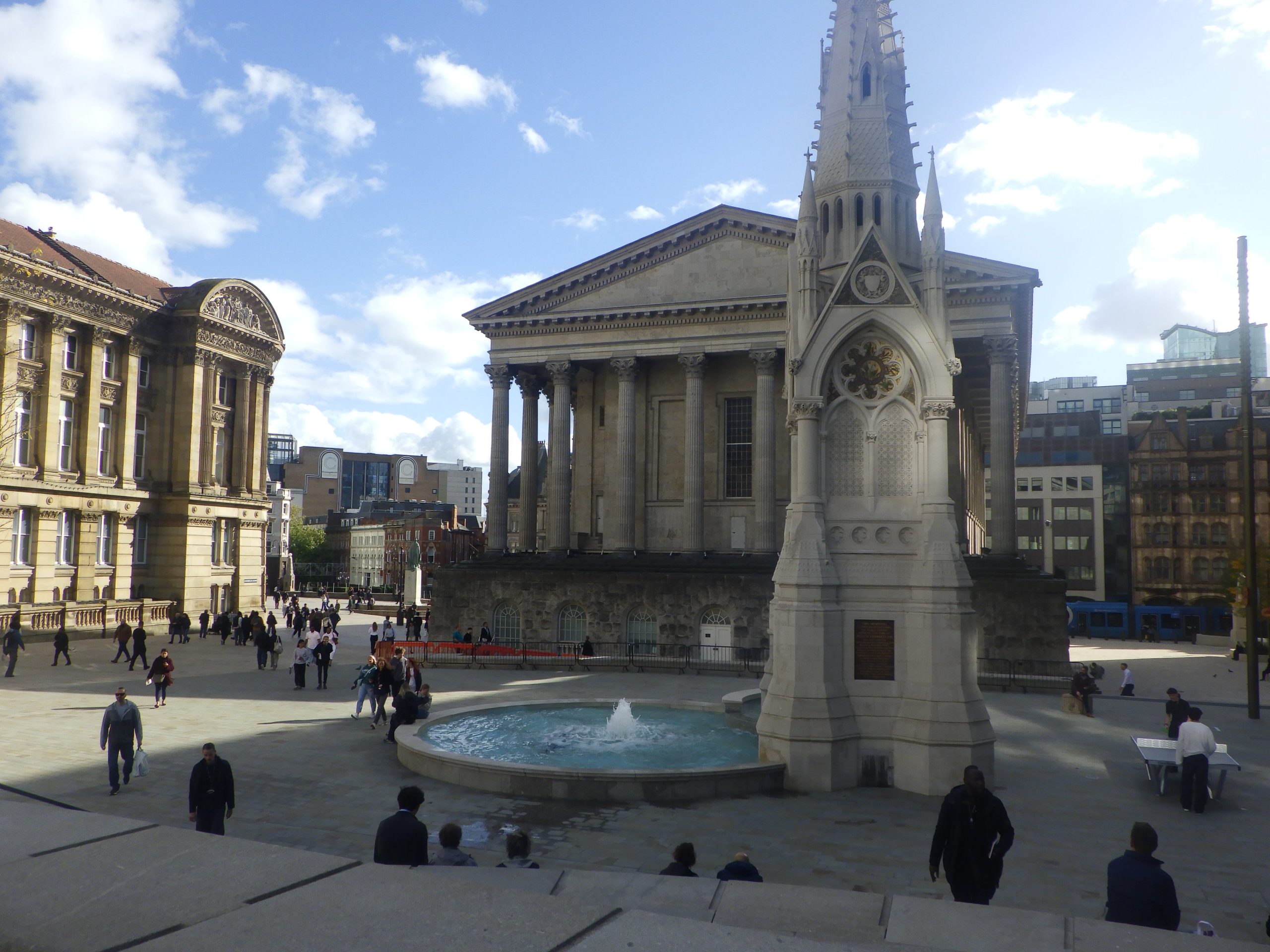
Birmingham Museum & Art Gallery occupies one of the city’s best-known buildings, overlooking Chamberlain Square and Victoria Square. The Grade II* listed building first opened in 1885 and has become home to an enormous collection covering art, design, history, science and culture. The wider Birmingham Museums collection contains almost one million objects, while the art and design collection alone contains more than 58,000 objects.
The Pre-Raphaelites
One of the main reasons to visit Birmingham Museum & Art Gallery is its remarkable collection of Pre-Raphaelite art. Birmingham Museums describes it as the largest collection of Pre-Raphaelite art and design in the world. The collection includes paintings, sculpture and stained glass by artists including Edward Burne-Jones, Dante Gabriel Rossetti, John Everett Millais and Ford Madox Brown.
The connection with Birmingham goes deeper than simply having a large collection. Birmingham became an important centre for art and design during the late 19th century, and artists influenced by the Pre-Raphaelites were studying and working in the city. The Birmingham School of Art played an important part in this development, while artists such as Burne-Jones and Rossetti influenced a generation of Birmingham artists and designers.
The recently refurbished Pre-Raphaelite galleries contain more than 60 paintings, sculptures and stained-glass panels. Among the works on display are pieces by some of the movement’s best-known artists, alongside works by artists who worked in Birmingham around the turn of the 20th century.
Much more than Victorian art
Although the Pre-Raphaelites are a major attraction, they represent only part of what Birmingham Museum & Art Gallery has to offer. Its British art collection spans eight centuries, from medieval objects through to contemporary British painting. There are also collections covering European art, decorative arts and design, folk art, world art, dress and textiles.
The museum also connects art with the history of Birmingham itself. Its displays include the Staffordshire Hoard, Birmingham history galleries and the Industrial Gallery, while the Round Room explores different ways of looking at the world through art. The programme also includes contemporary exhibitions, so a visit isn’t simply a journey into the Victorian past.
That mixture is what makes Birmingham Museum & Art Gallery particularly interesting. You can see some of the world’s most significant collections of Pre-Raphaelite art and then move into exhibitions and displays exploring much more recent ideas, artists and aspects of Birmingham’s history.
For anyone interested in the relationship between art, design and the city in which they developed, Birmingham provides a fascinating example of how those things can become closely connected.
Museum Art Gallery Visit —
Our visit to Birmingham Museum and Art Gallery and we would suggest you should also take the opportunity to visit Birmingham. It’s an interesting city with lots of things to see.
Walking Through Birmingham’s Industrial Heritage
We started quite a distance away, as we wanted to walk along the canals, of which Birmingham has a lot. Before that, to get to the canals, we walked by many industrial buildings and Victorian and newer 1960s buildings with some fine brick buildings many repurposed into residential property. We could also see that some manufacturing was still taking place.
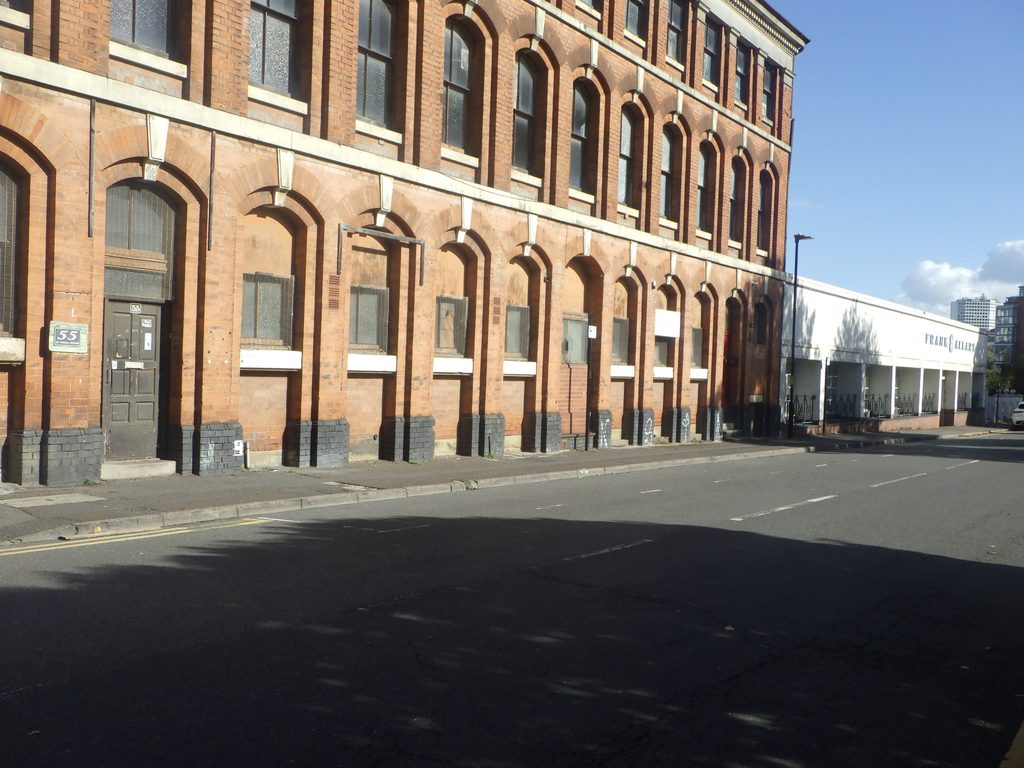
Birmingham’s industrial buildings
Frank Allart: Traditional Architectural Craftsmanship
We walk past Frank Allart Manufacturers. Appropriately name for our art day. We later learnt that Frank Allart are a high-quality architectural goods, manufacturerfounded in the Victorian/Edwardian era in 1914 and still going strong. From what we can see from their website, they make some quite nice things, and we signed up for their mailing list. www.FrankAllart.com
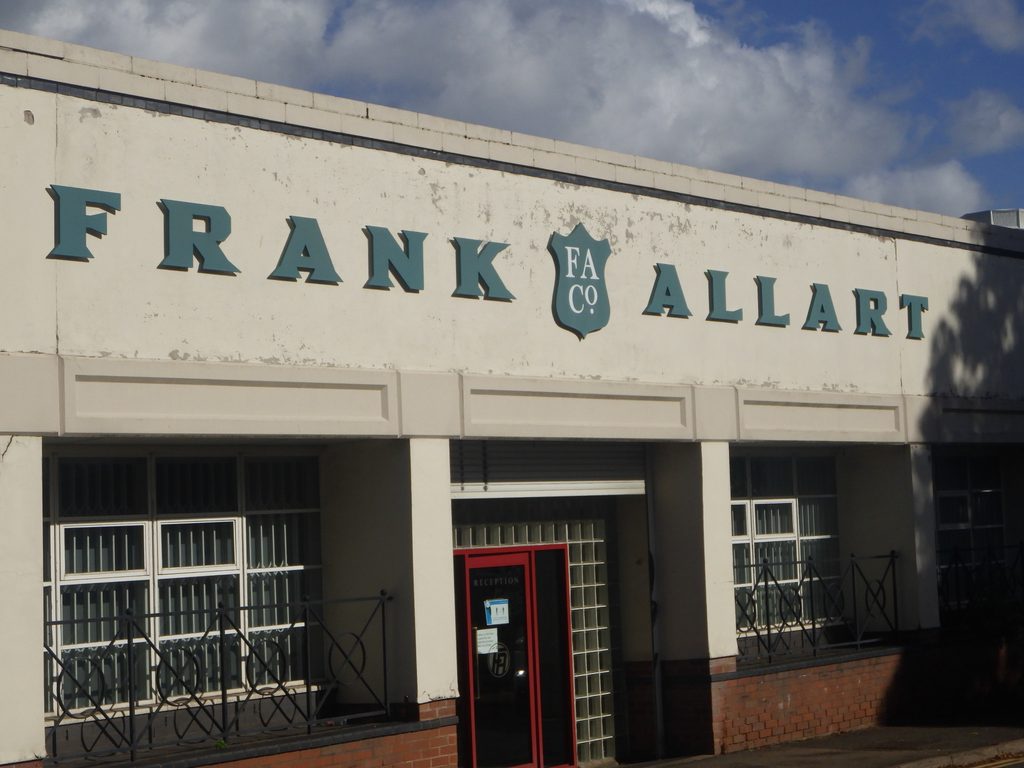
Frank Allart — architectural ironmongery since 1914
The Canals and the Historic Roundhouse
As we moved on, we got a glimpse of the canal area. We could see both old and new buildings, lots of modernish flats. We then accessed the canal down the brick ramp and steps, where once the horses drew the canal barges. We were lucky enough to find the renovated award winning Roundhouse stables, which is where the horses would have spent the night. There’s also the possibility of getting a drink there and some food, if you wish and contemplate if the building was horseshoe-shaped by accident or not.
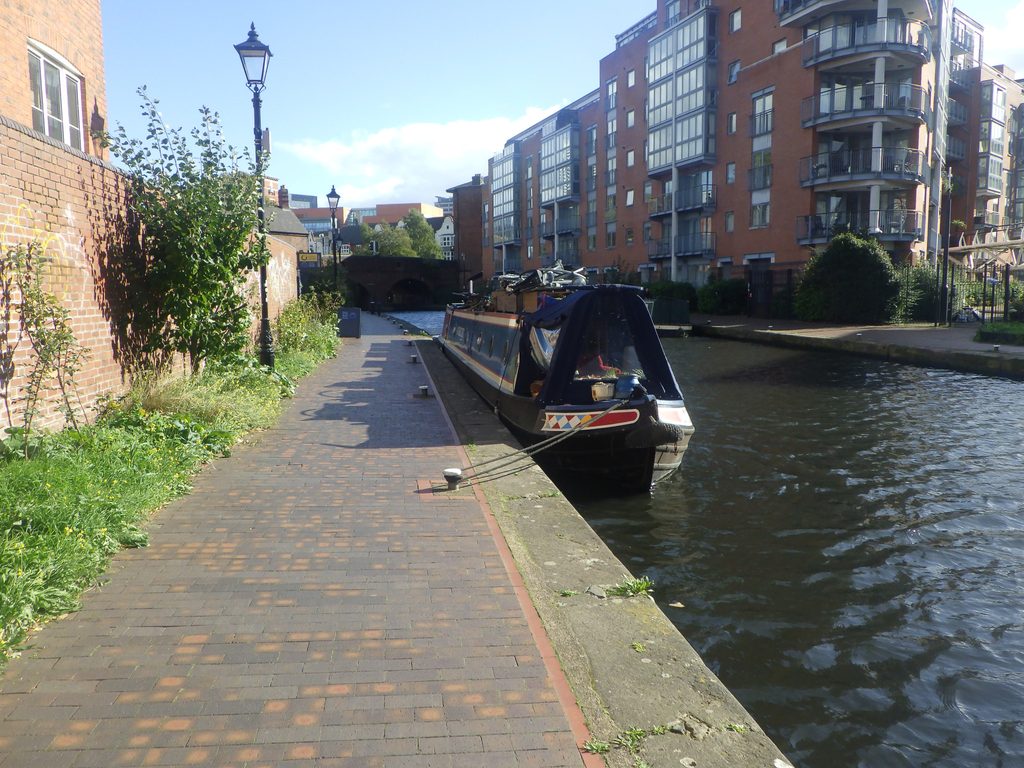
Old and modern buildings alongside the canal
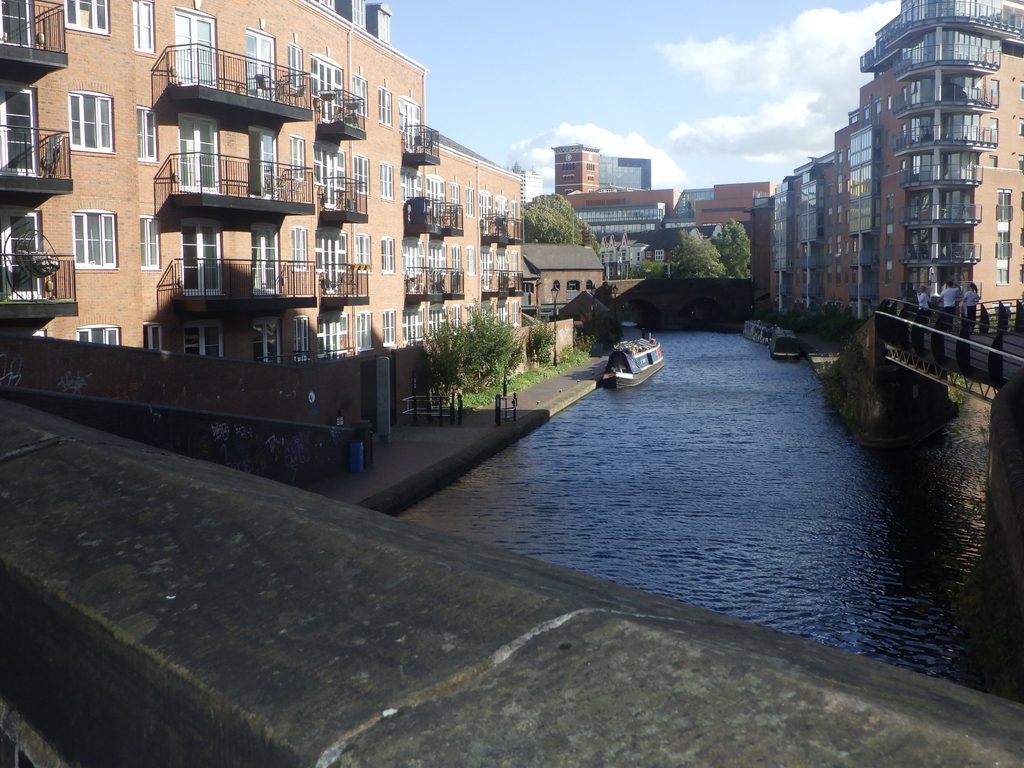
One of Birmingham’s many canals
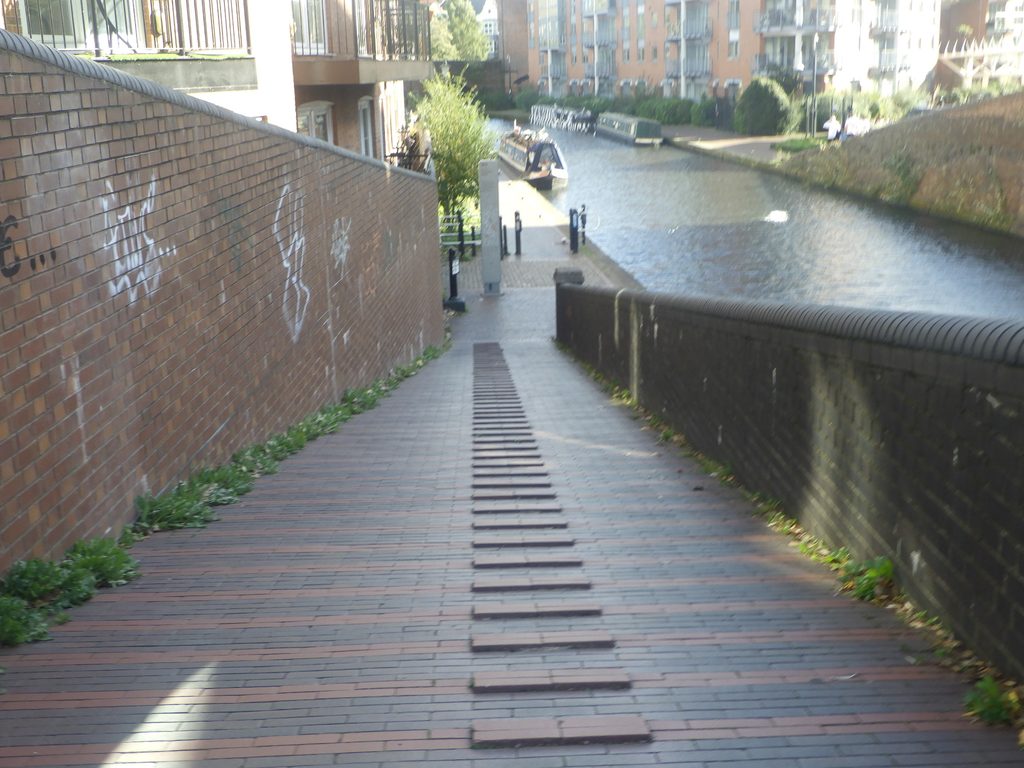
Walking down towards the canal and Roundhouse
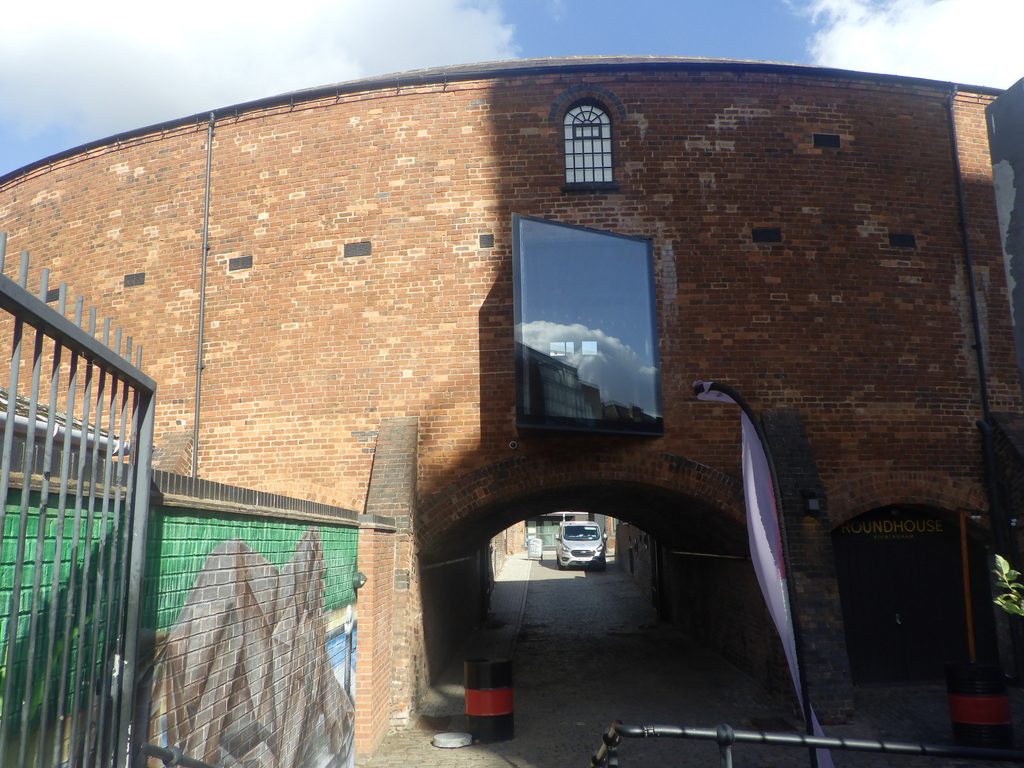
The award-winning Roundhouse heritage project
Street Art or Graffiti?
There was a little bit of graffiti along the way. We’re never sure whether this is art or graffiti, so we asked ChatGPT. They said, in this particular case with the “life is good” graffiti, that they thought it was a cheerful message but fairly roughly produced, which we thought was quite interesting / funny.
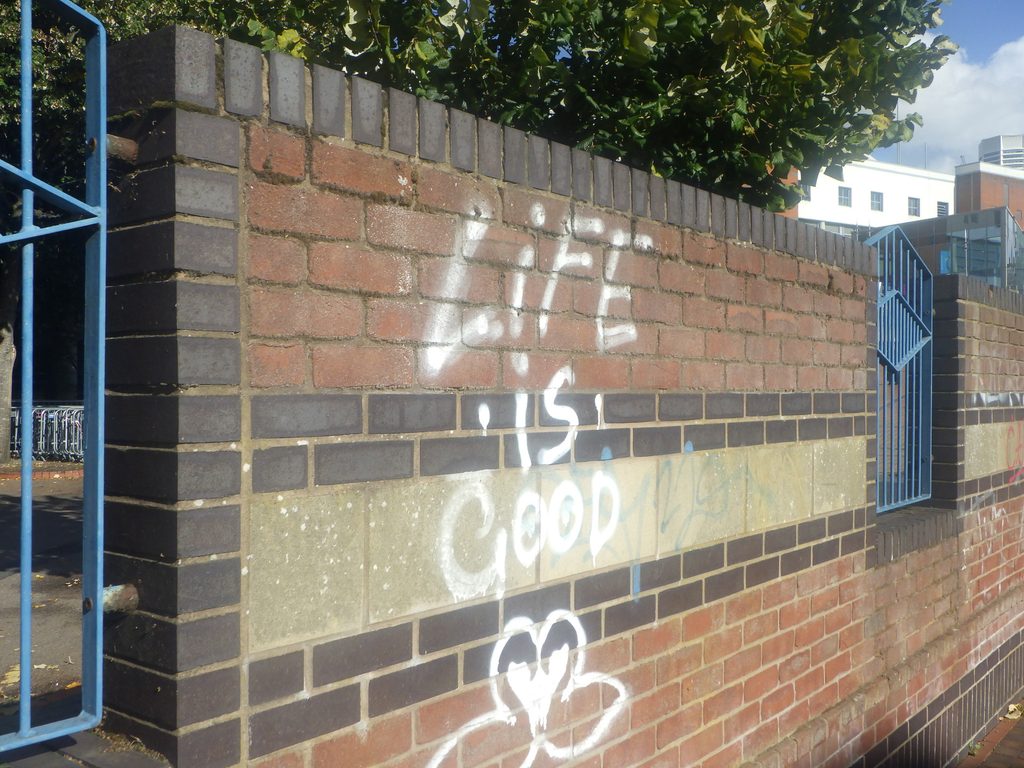
Life is good — art, graffiti, or both?
From the Ozzy Osbourne Bridge to the City Centre
Moving on, we enjoyed the walk along the canal on a beautiful sunny day. We decided to walk back onto street level and coincidentally came up at the Ozzy Osborne Bridge. There were lots of people visiting RIP. From there, we gradually moved into the Birmingham shopping area, it really does feel like they sell just about everything! The is a good mix or old and newer buildings. Although we are aware from our conservation studies: many feel that good old buildings have been taken down in the past and replaced with newer buildings in more recent times.
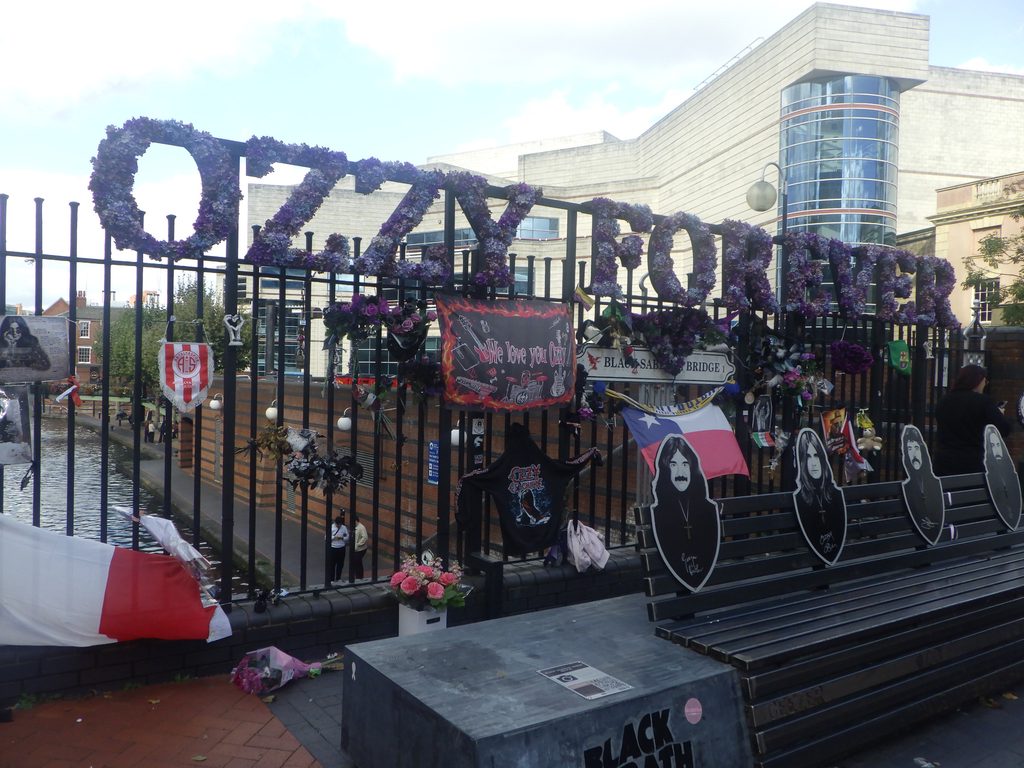
Back at street level by the Ozzy Forever Bridge
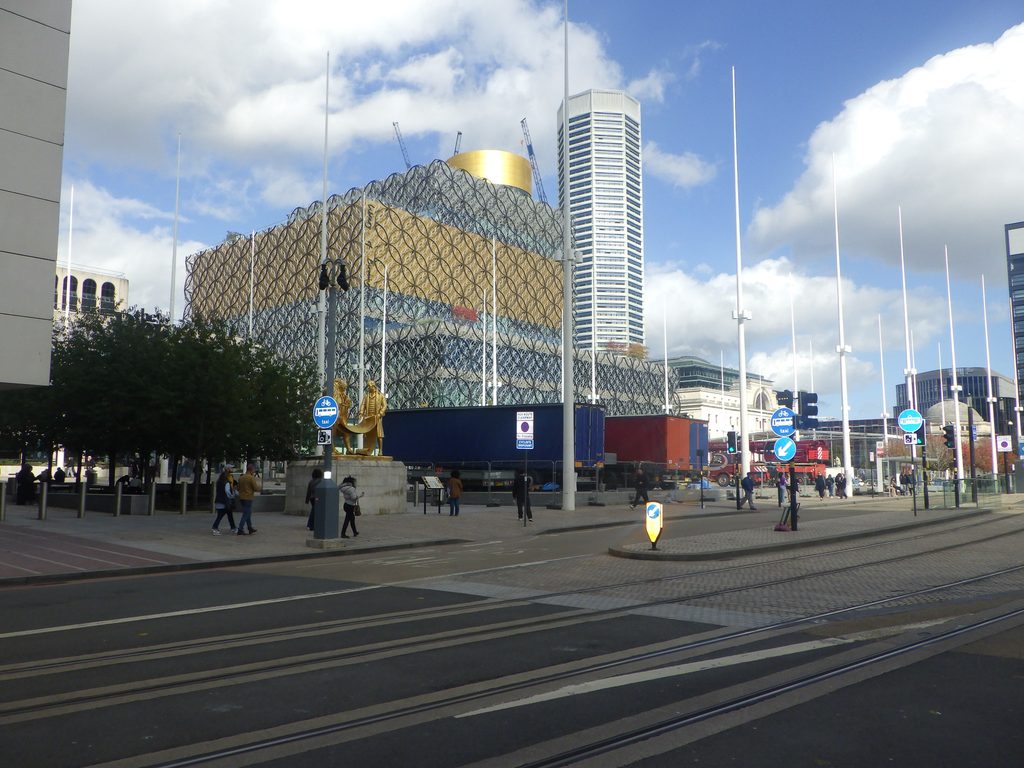
Into Birmingham’s shopping area
First Impressions of Birmingham Museum and Art Gallery
However, we were pleasantly surprised when we had the first sight of the Birmingham Museum and Art Gallery, a very classic-looking building with a fountain in front of it.
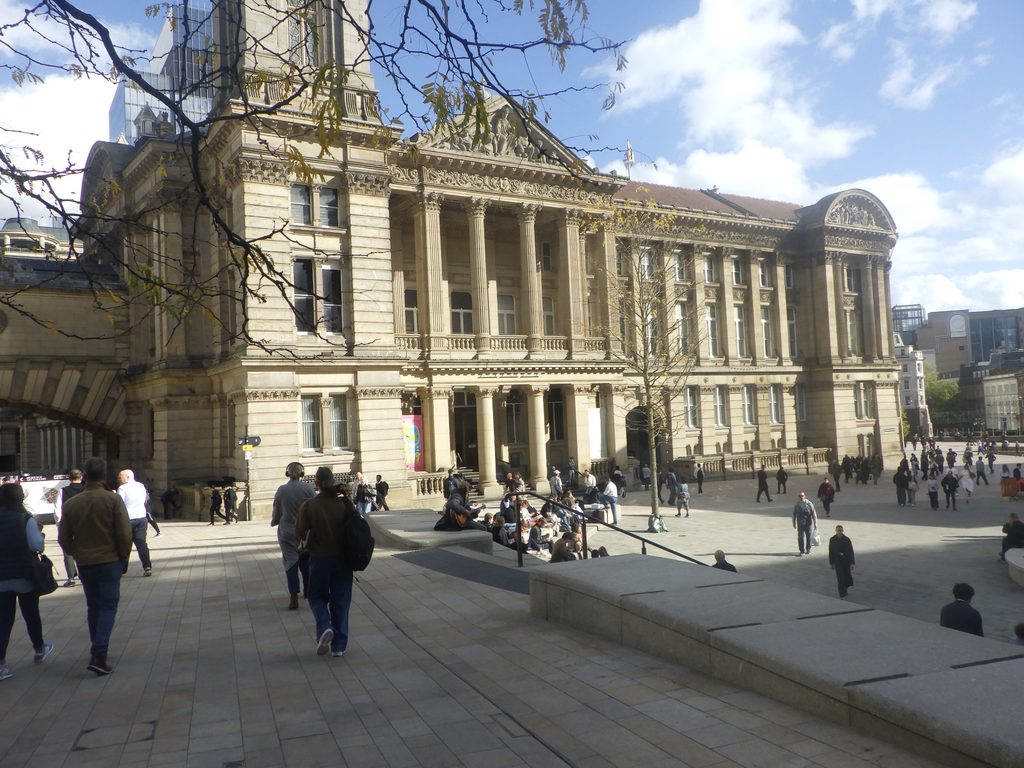
Our first sight of Birmingham Museum and Art Gallery
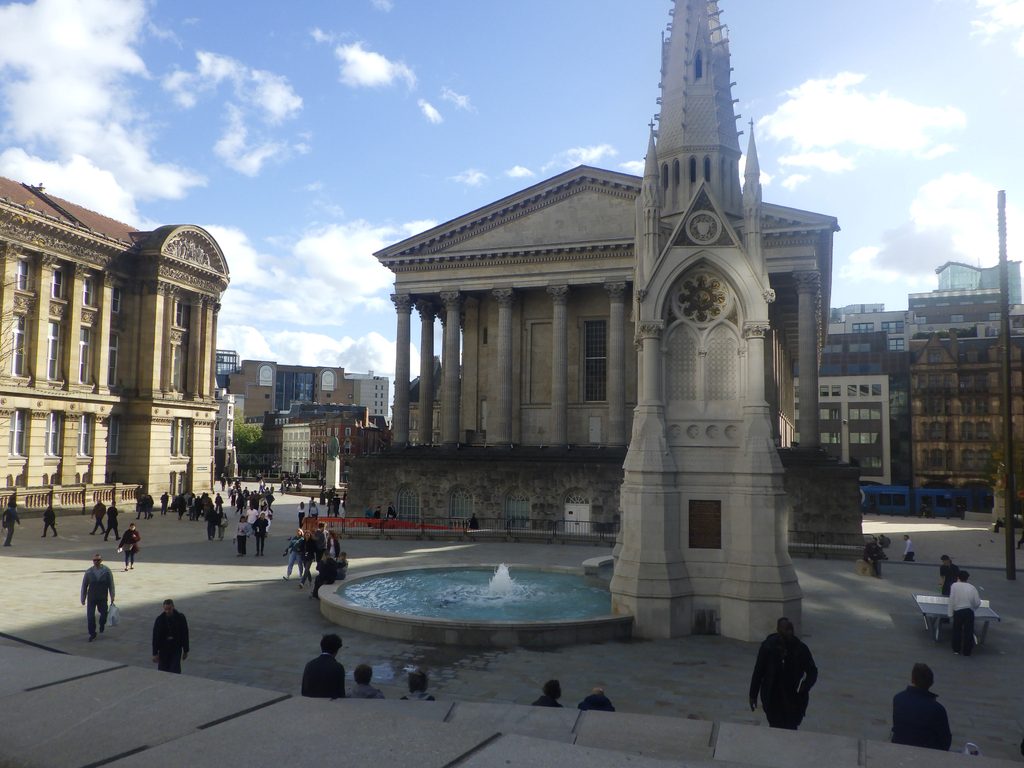
A better view of the museum surroundings
Victorian Architecture Inspired by an Italian Palace
One of the nicest interpretations of this Victorian Art Gallery is that it’s said to be an interpretation of a grand Italian Palace, with classic columns and tall clock tower.
Inside the Museum and Art Gallery
It was beautiful inside as well and with very high ceilings and columns and has a great cafe. We will talk about the art at some point, but this article is just about getting you to the Birmingham Museum and Art Gallery.
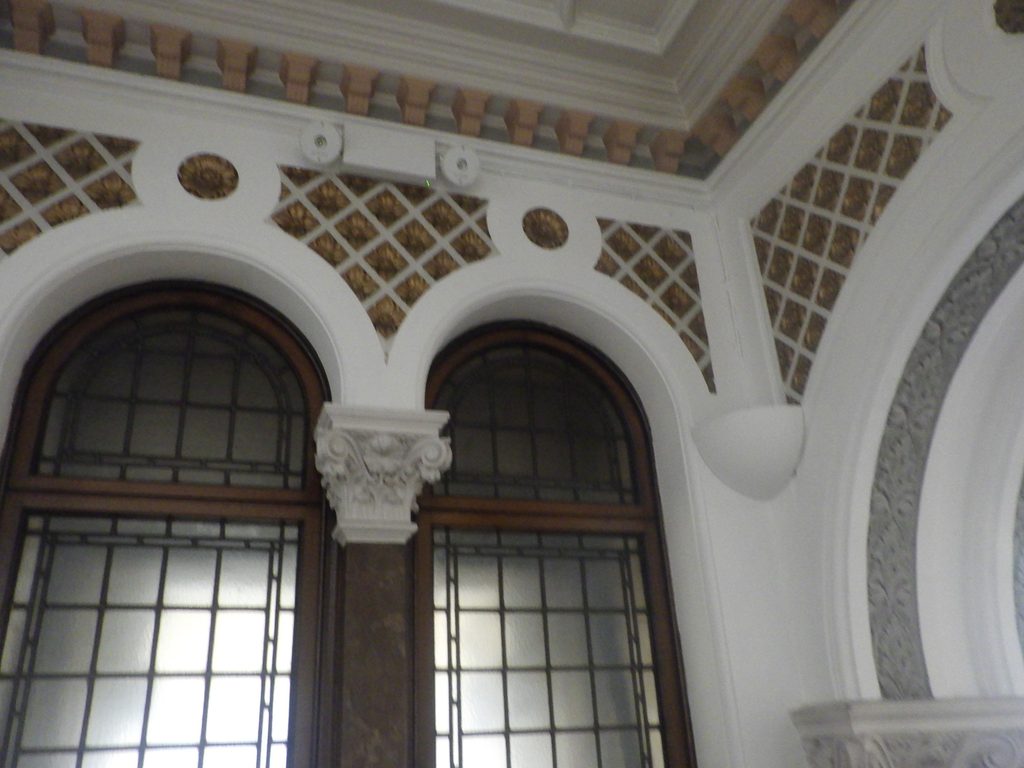
Beautiful architecture inside
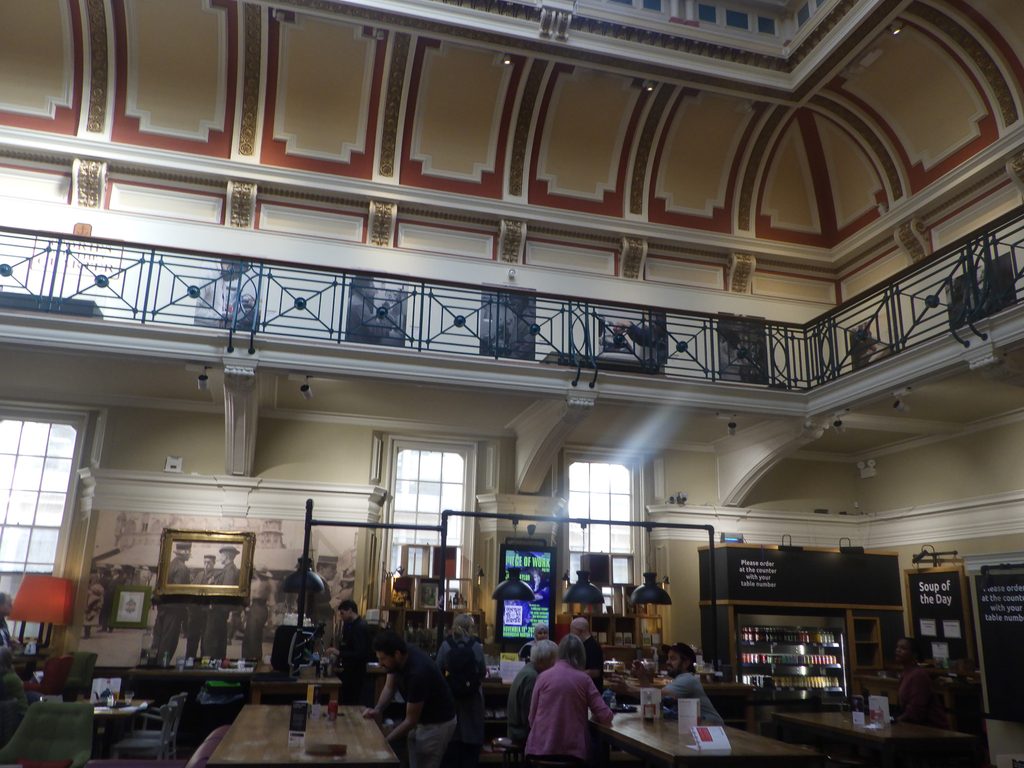
And a beautiful café too
Natural Light, Art and Plenty to Explore
We visited on a sunny windy day, however we would say that it’s worth a visit on any type of don’t let a dull, rainy day put you off, as due to the roof windows they have, which are mainly glass the building has good natural light. Great foresight, particularly good for helping you view the art there. Whilst As came to look at the art, it’s worth also saying, the museum side is worth a visit as well. There is a lot to see, and a day can be taken up quite easily, if not several days! Well, let’s say there’s a good few hours, or a day’s viewing, if you so wish and your legs can take it.
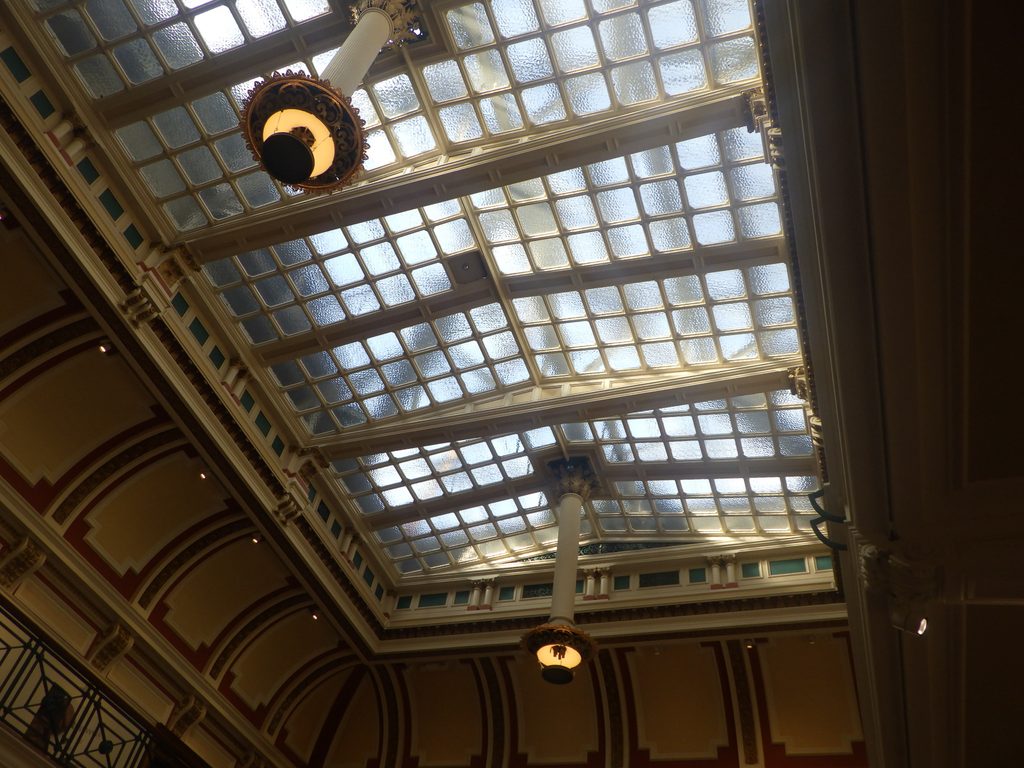
Lots of natural light from the glazed roof
A Visit Worth Making
Thanks for reading, and we hope that you do get to visit Birmingham Museum and Art Gallery soon.
Thank you for visiting Birmingham Museum and Art Gallery